A report (Plumbing the Depths: Hydrographic Concerns for Modern-Day Large Vessels) by Marsh, insurance broker and risk adviser claims that bathymetric data producing 3D images of seabeds is “inadequate or non-existent” for large parts of national and international waters.
According to the report, governments need to invest more in creating and sharing accurate hydrographic information to enhance the growth of the global shipping industry.
Larger commercial vessels are navigating vast areas of the world’s seas and oceans which are either unsurveyed or have not been re-surveyed since nearly a century ago.
According to the International Hydrographic Organization, nearly half (49 per cent) of the UK’s coastal waters up to 200m have been adequately surveyed to modern standards, with Japan at 46 per cent and Australia at 35 per cent. In the Arctic Peninsula, an increasingly popular destination for cruise ships, virtually all coastal waters up to depths of 200m have not yet been surveyed.
“This is a pivotal decade in the development of the global maritime industry given the enormous proportions of commercial vessels now plying waters around the world,” said, Marcus Baker, Chairman of Marsh’s Global Marine Practice.
“The new Suez Canal allows nearly double the previous maximum of vessels to transit the Canal each day; and the new Panama Canal, with its new locks and deeper channels, is set to open later this year. More government investment in hydrographic surveys and the sharing of accurate bathymetric data and hydrographic information is imperative, to protect vessels and the crews that serve on them.”
In January 2016, the International Maritime Organization (IMO) was granted powers to audit the performance of countries in fulfilling their safety of life at sea (SOLAS) obligations, including the collection and compilation of hydrographic data and the publication and dissemination of all nautical information necessary for safe navigation. However, the IMO currently has no authority to compel countries to fulfill these obligations.
Steve Harris, Senior Vice President, Marsh’s Global Marine Practice, said: “There are many parts of the world where the salvage industry is ill-equipped to handle large incidents, which is a concern for operators, insurers, salvers, and environmentalists alike. Having these larger vessels, with their increasingly valuable and complex cargoes, sailing through inadequately charted waters has enormous environmental and business interruption implications, should an incident occur.”


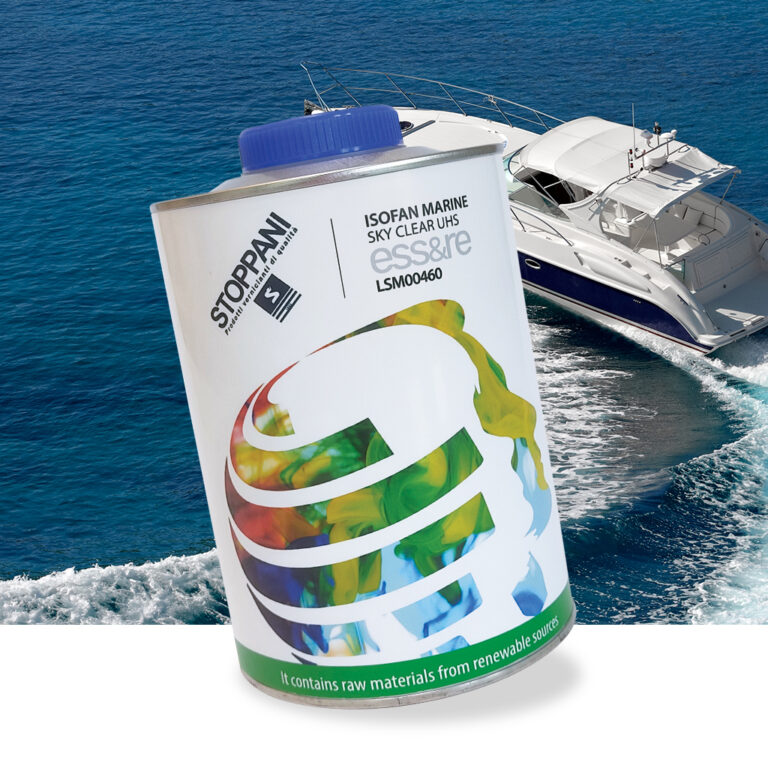
The sustainable revolution in marine clear coats
Isofan Marine SKY Clear UHS Ess&re represents a turning point in marine polyurethane clear coat technology, providing a concrete response to the growing need to combine environmental sustainability with high-level technical performance.