Yesterday Renato Sonny Levi, the world renowned nautical engineer who brought so many innovations to the industry, passed away at the age of 90.
Renato Levi, born in Karachi in 1926, has been designing boats from very young age, inheriting his passion from his father, an interior designer and manufacturer and enthusiastic yachtsman who worked as the Government’s boat builder in Bombay. He studied aircraft design in England while being part of the RAF and, once back in Bombay, he was chief designer in his father’s drawing office by 1950. He moved to Italy ten years later to work for Navaltecnica in Anzio.
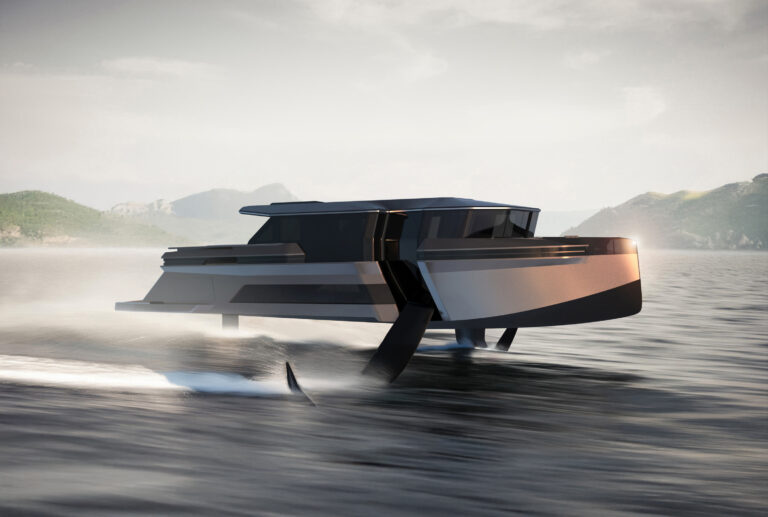
Known worldwide with the nickname Sonny, he is considered one of the founders of the modern motor yacht industry. During his long and fruitful career, he invented many innovations in the nautical industry and in naval design, among which the most remarkable are: the deep V planing hulls, the Delta Configuration hulls and also propulsion systems with surface transmission and supercavitating hydrofoils, combining his Step Drive concept with conventional Z drive. Concerning the design, his projects have always been considered elegant, functional and innovative.
His contribution is an important reference by which all the nautical sector is always inspired for innovation and design. Only two months ago, Renato Sonny Levi was given the Honorary Master Degree in Yacht Design by the University of Genoa to recognise his outstanding career and its constant inspirational role for the whole nautical industry.


Navigating the new frontiers of marine propulsion
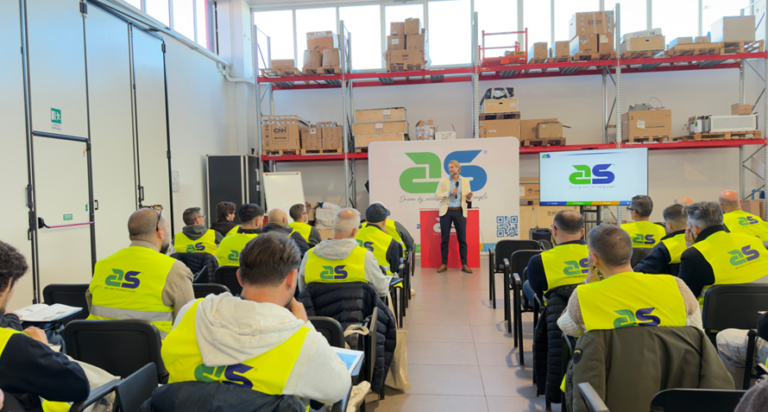
Taking place on 24-25 November 2026 in Monopoli at AS Labruna’s headquarters, the E-Vision Training Day is dedicated to the specialization of the technical service network for sustainable mobility.