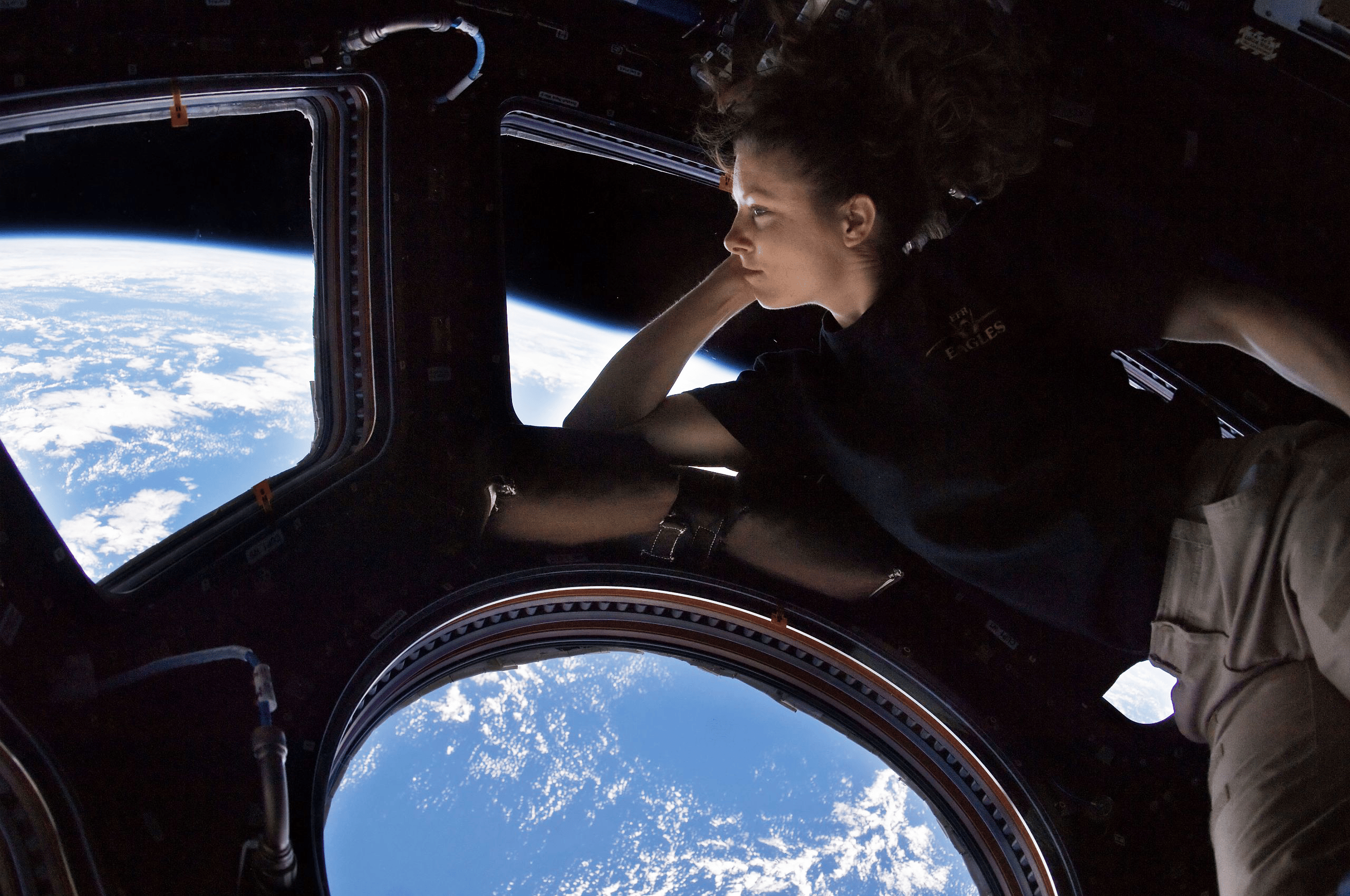
The concept of extreme architecture lies at the intersection of technology, imagination, and resilience. Today, the challenge for designers, architects, and engineers is no longer limited to the construction of terrestrial buildings but extends to inhospitable and hardly accessible environments: outer space, the ocean depths, and marine surfaces. These are radical scenarios in which physical conditions – reduced gravity, abyssal pressures, unstable water dynamics – demand pioneering design solutions.
Within this framework, the yachting world and luxury leisure represent a privileged ground for drawing inspiration from the extreme and for exploring connections between architectural languages, advanced engineering, and experiential aspirations.
THE EXTREME AS A DESIGN CONDITION
Extreme architecture is not only a set of technical and construction skills but also a cultural paradigm. Environmental conditions impossible for humans to survive impose design choices aimed at building safe and self-sufficient protective shells.
The challenge is to conceive a living system capable of behaving like an autonomous organism, particularly regarding non-renewable resources and logistical support, consisting of living cells and service modules able to generate energy, air, water, food, and to fully recycle waste.
Equally important is to confront the threshold of survival and the necessity of integrating science, aesthetics, and comfort — principles that increasingly define the future of space architecture concepts and their crossover into marine innovation.
THE TENSION BETWEEN LIMIT AND FREEDOM
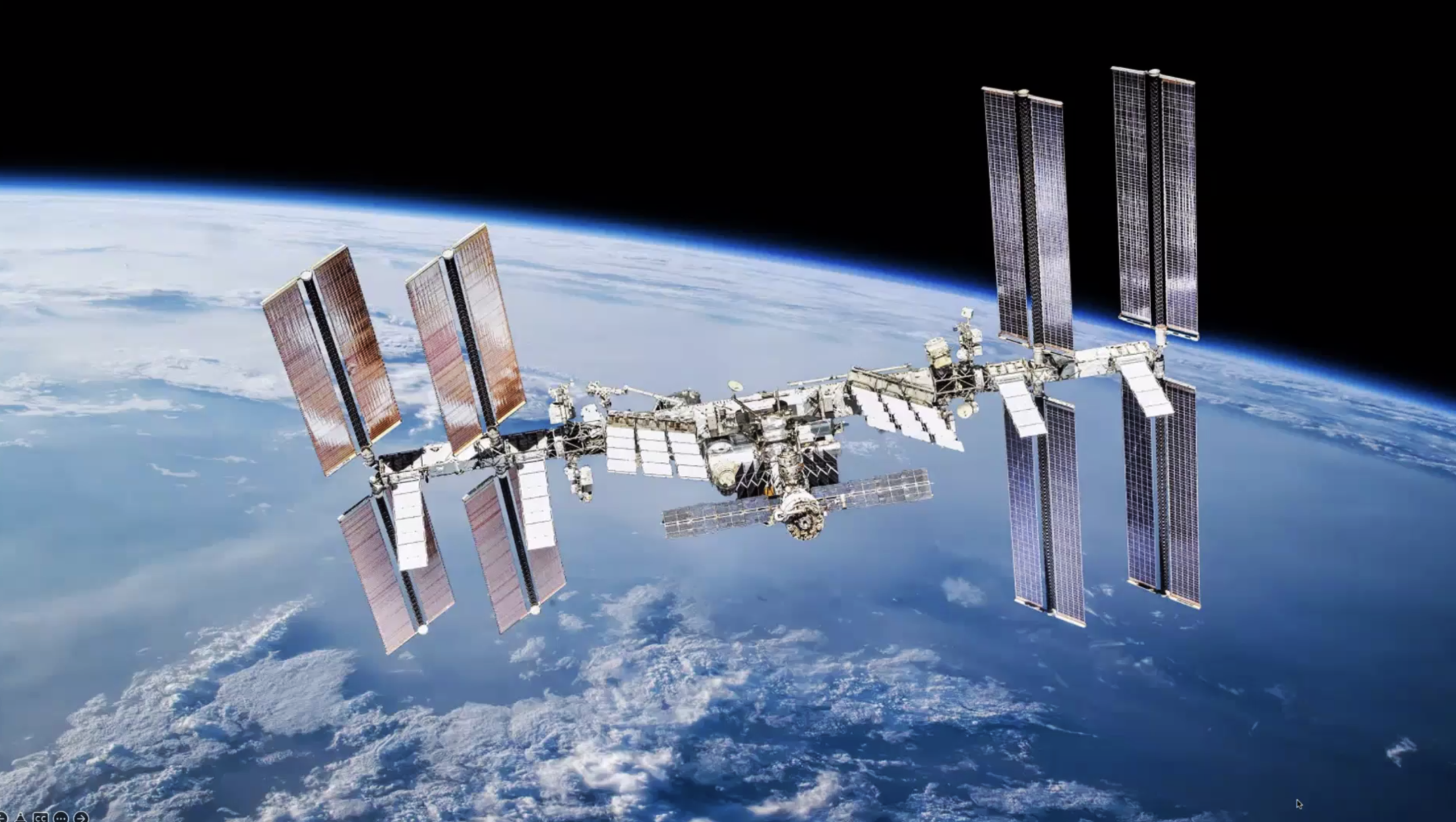
In space, orbital stations or habitation capsules aim to recreate vital microenvironments in the absence of gravity and atmosphere, while in the ocean depths, pressurized habitats and submarines strive to ensure safety and livability under hundreds of atmospheres of pressure.
On the sea surface, floating platforms and, above all, new-generation yachts offer instead a hybrid: mobile architectures that must balance technical stability and the desire for exclusivity.
Nautical luxury feeds on this very tension between limit and freedom: living on a megayacht means inhabiting an autonomous architecture, capable of sustaining life for weeks away from land, while at the same time designed to embody refined aesthetics, fluid spaces, and invisible technologies. In this sense, today’s yachts represent advanced expressions of luxury yacht innovation, where engineering performance and experiential freedom coexist.
PARALLELS BETWEEN SPACE AND THE SEA
The similarities between space and ocean depths are striking. In both environments, the human body is exposed to conditions that prevent life: lack of oxygen, extreme temperatures, pressure variations, isolation. Hence the need for a protective capsule, an artificial shell that becomes an extension of the body and a filter to the outside.
Space habitats and submarines share a closed design logic, in which environmental control is total: air recycling, water resource management, ergonomics of confined spaces. Living in confined environment for several months means a total absence of natural stimuli, which alters the circadian rhythms of sleep and wakefulness, causing depression and stress. The effects of enforced isolation are compounded by homesickness and the lack of privacy that comes from living in the same small space as other people.
PHYSIOLOGICAL, SENSORY, AND EMOTIONAL ASPECTS IN DESIGN
Designing for space means not only creating habitats to protect against hostile external conditions but also going beyond functional aspects to consider the physiological, sensory, and emotional aspects that are altered in confined spaces by the lack of natural stimuli.
Space Design can use different countermeasures to the effects of forced isolation, for example light, by modifying its colour and intensity to reproduce the natural day and night cycle and rebalance circadian rhythms, or materials, to make the environment warmer and more comfortable, or flexible furniture, to modify spaces and create common or privacy areas.
Unsurprisingly, many solutions developed for the aerospace sector find direct applications in yachting, especially in the high-end segment. Contemporary yachts integrate technologies derived from aviation and space: ultralight composite materials, advanced satellite navigation systems, home automation that recreates domestic comfort on the move — clear examples of technological transfer from ocean and space engineering into luxury leisure environments.
AN EXPERIMENTAL FIELD
High-end leisure yachting today fully qualifies as an experimental field. Major shipyards and yacht designers work on units that are not mere boats but floating architectures with a strong spatial, aesthetic, and symbolic identity.
The concept of luxury is shifting from furnishings that simulate terrestrial luxury to extreme performance enabled by technology.
LUXURY YACHTING AS RESEARCH LABORATORY AND EXTREME ARCHITECTURE
While space and ocean depths require strictly functional habitats, the luxury sector adds another layer: the pleasure of experience. This means combining extreme engineering with aesthetic research, technology with customization, safety with a sense of freedom.
New-generation yachts, often exceeding 100 m in length, feature modular spaces, terraces opening onto the sea, indoor and outdoor pools, heli-decks, and hybrid propulsion systems. Some prototypes, such as the luxury catamaran Galileo2 by Beiderbeck Yacht Design, also integrate mini-submarines and drones, allowing owners to experience a “journey into the unknown” without giving up refined comfort.
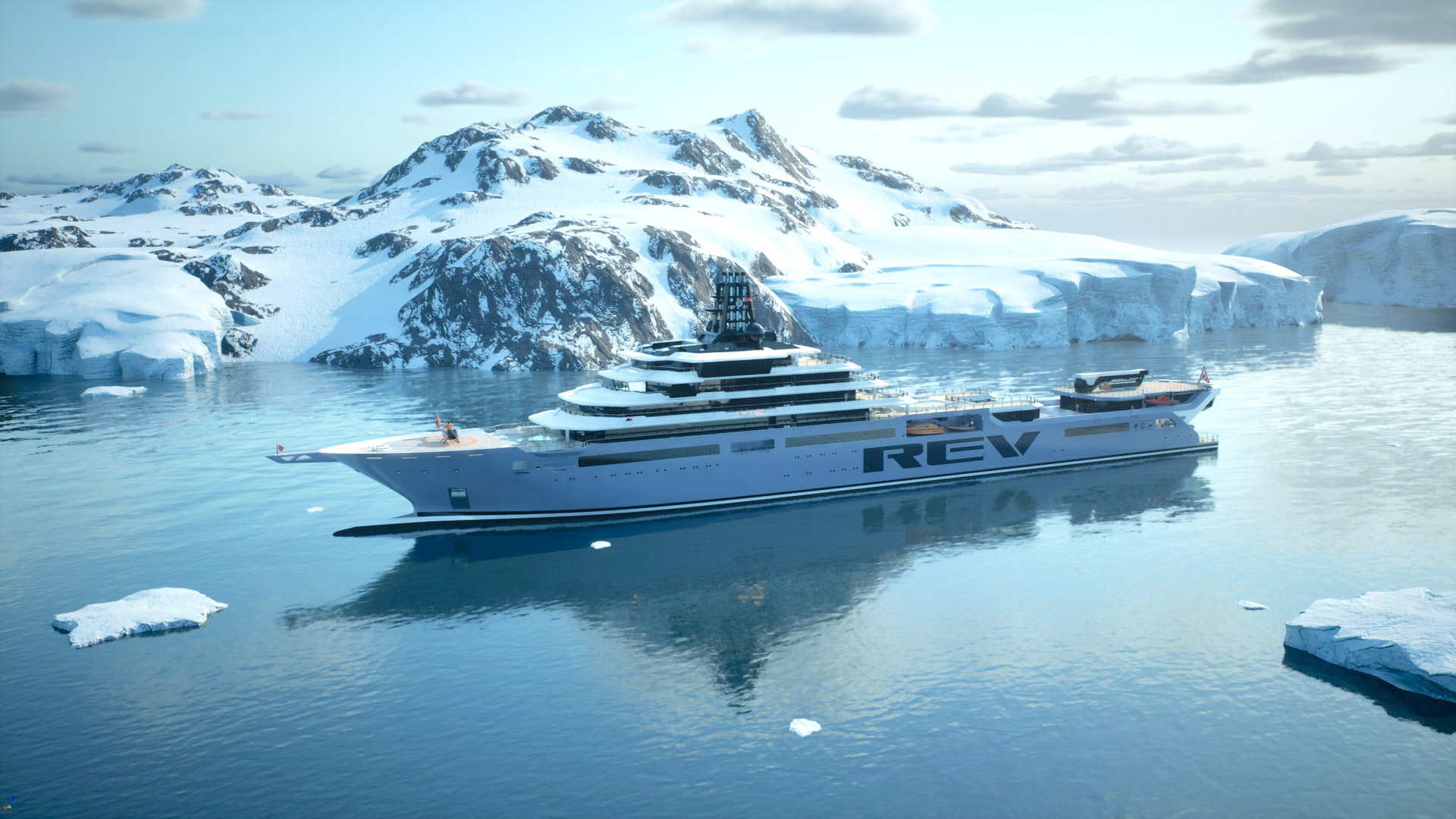
Rev Ocean, the world’s largest superyacht – part research vessel and part polar explorer designed to operate autonomously for 114 days – represents the most extreme challenge, uniting innovation and aesthetics for hi-tech luxury.
Living at sea thus becomes an anticipation of what may happen in space: self-sufficient microcosms designed for the few, where exclusivity and technology intertwine to enhance comfort and well-being, embodying the evolution of future marine living concepts.
MARINE SURFACES: ARCHITECTURES IN MOTION
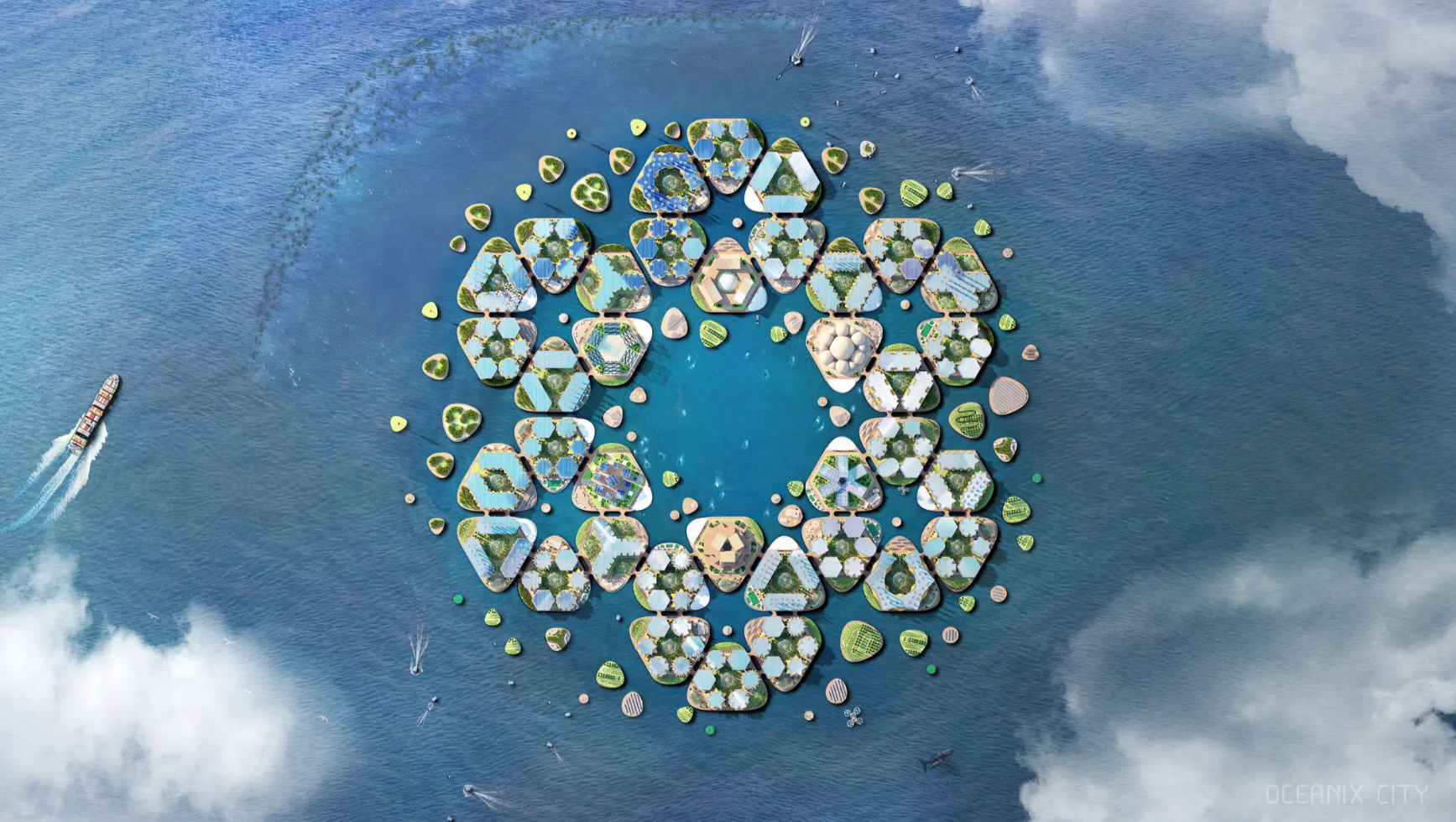
Another level of reflection concerns marine surfaces as a mobile landscape. Floating cities, offshore resorts, and hybrid platforms represent the meeting point between visionary utopia and engineering concreteness. As early as the 1960s, Buckminster Fuller imagined spherical floating cities, while today projects such as Oceanix Floating City, designed by Bjarke Ingels, aim to transform the sea into habitable space.
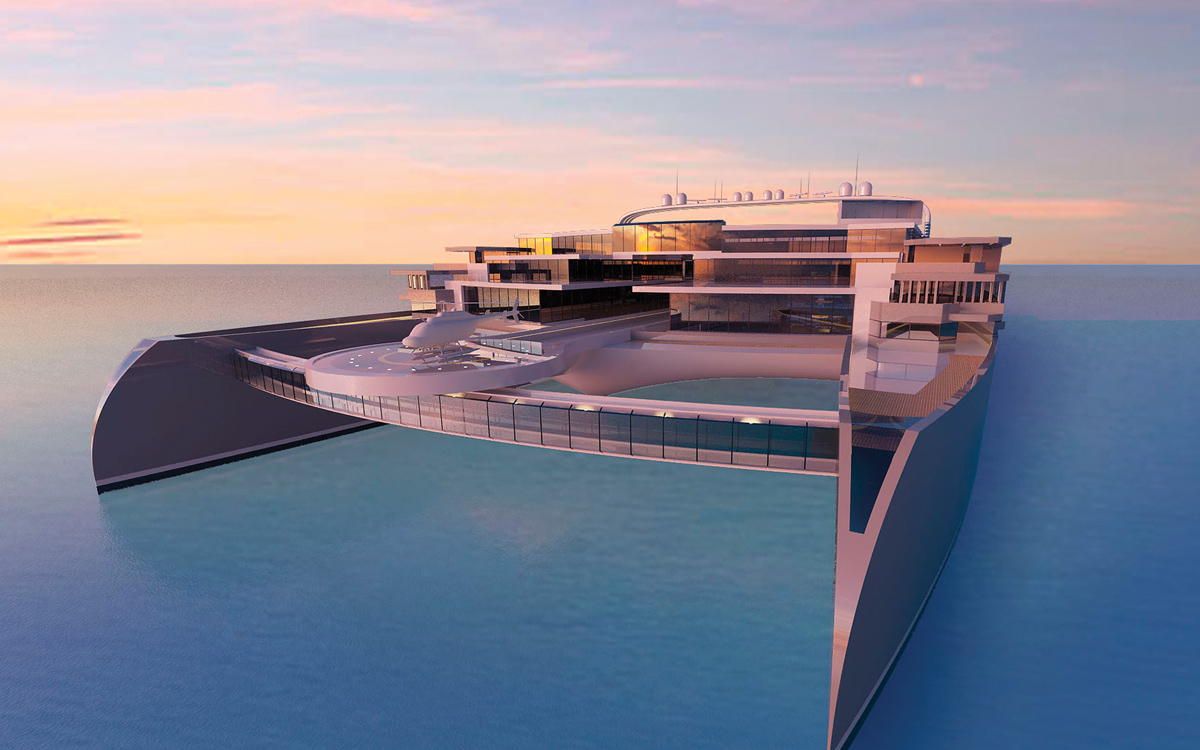
In the luxury sector, this approach translates into yachts conceived as mobile villas, true palaces on water, equipped with dynamic anchoring systems, gyroscopic stabilizers, and self-healing materials. These are nomadic architectures that reinterpret the concept of dwelling not as permanence but as flow, responding to a clientele that sees movement and exclusivity as an integral part of luxury.
PSYCHOLOGY OF THE EXTREME AND THE DESIRE FOR ESCAPE
It should not be forgotten that behind the fascination with space, ocean depths, and luxury nautical architecture lies a powerful psychological dimension: the desire for escape — and before that, the pioneering spirit that pushes us towards the unknown.
Living on a yacht means experiencing a condition of controlled isolation, far from the masses and terrestrial constraints. It is a form of private spacecraft, in which the sea replaces the cosmos as an infinite and ever-changing backdrop. The extreme experience, made safe and comfortable, thus becomes a tool of social distinction and identity search.
The same impulse drives space tourism projects: capsules with wide windows, suborbital flights, private orbital stations. In both cases, what is sold is not only the journey but access to a radical and unrepeatable experience, mediated by architecture.
ADAPTING TO DIFFERENT CONTEXTS
The crucial role of materials and technologies in extreme environments goes beyond meeting functional and performance requirements: they reinforce the idea of architecture and design capable of adapting to contexts that impose many limits without sacrificing comfort, aesthetic quality, and sensory experience.
Composite materials and lightweight alloys are used both in space stations, entirely built in aluminium, and in state-of-the-art yachts, to reduce weight and increase strength.
The use of AI is evident in home automation, with intelligent systems for centralized control of temperature, humidity, lighting, and security; in human-machine interaction, which involves not only technical management but also cognitive and operational spheres; and in AR/VR technologies that foster immersive training and operational simulations, contributing to crew preparation and safety.
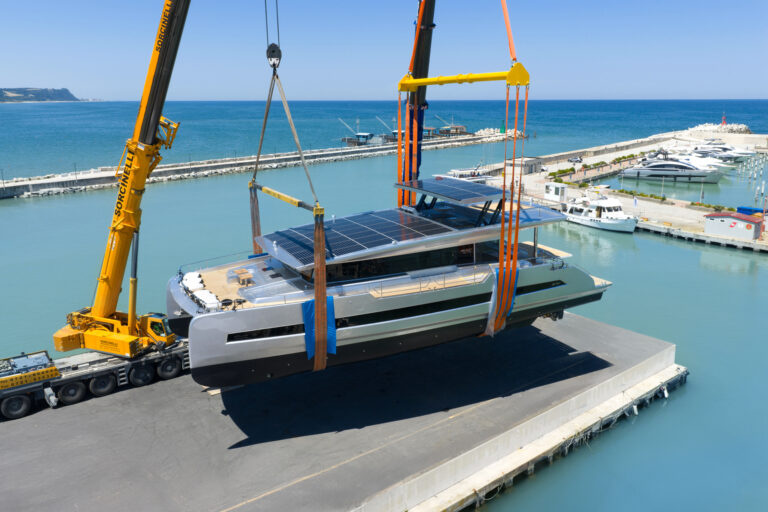
Energy use and the pursuit of sustainability suggest solutions that include hybrid propulsion, integrated solar panels, and water recycling.
TECHNOLOGICAL AND MATERIALS CONVERGENCES
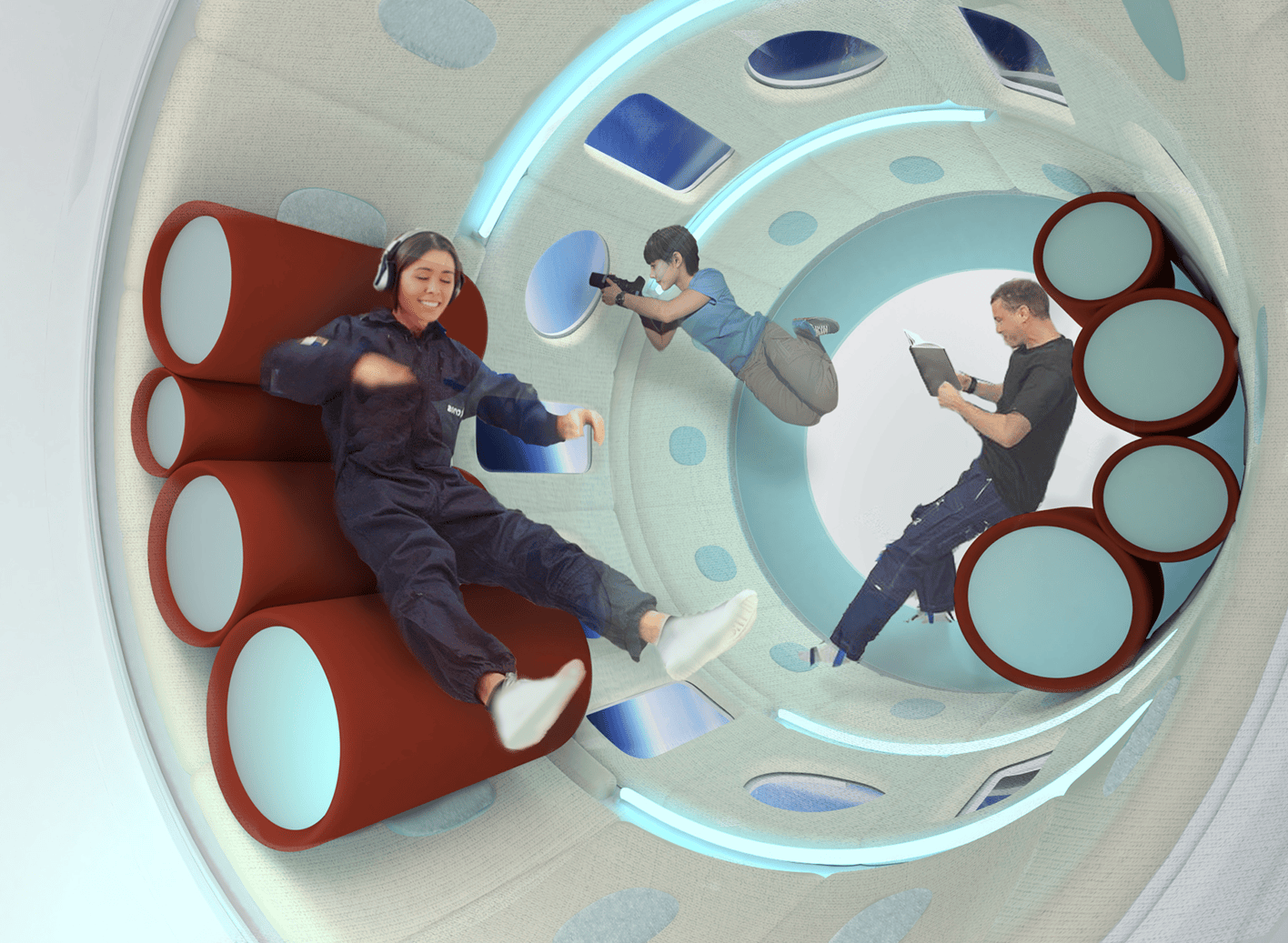
In this convergence of materials and technologies, design moves transversally across disciplines, fostering the creation of flexible sensory spaces, movable walls, reconfigurable interiors, as exemplified by the Sensory Space Station project by Annalisa Dominoni and Benedetto Quaquaro for Thales Alenia Space.
This project addresses the issue of limited natural stimuli in confined spaces balancing with design choices that put great attention to perceptual and sensorial aspects, such as the quality and colour of light that can change following the natural day/night cycle to balance the circadian rhythms and to create different atmospheres according to the various activities of the astronauts.
The strategic use of colours, materials and textures enhances the visual and tactile qualities of the surfaces to create a warmer and more welcoming atmosphere than the aluminium in the interior of the International Space Station. To reduce the noise of on-board instruments, the interior of the modules and part of the furnishings are covered with sound-absorbing textiles. Racks are replaced by cylindrical containers that can rotate on rails to allow flexible configurations, such as chaise longue for relaxation, while movable textile partitions provide privacy.
TOWARD A SHARED EXTREME IMAGINATION
Space, the depths and marine surfaces are not separate worlds, but rather facets of the same coin: extreme territories that force architecture to reinvent itself and push the threshold of limitation ever higher.
Luxury yachting, in particular, positions itself as an intermediate ground, a ‘bridge’ between exploration and pleasure, survival and comfort, radical engineering and sustainability, and a refined aesthetic language.
From this perspective, yachts and floating architecture are not just consumer goods, but concrete manifestations of extreme imagination, linking the human desire to explore and dominate the elements while maintaining luxury and cultural identity.
Like space, the sea becomes a mirror of our future: an environment to be inhabited through disruptive solutions and a symbol of a new era in which architecture, technology and leisure converge to create extreme and unique experiences. Design plays a pivotal role in reinventing new worlds by balancing science, technology, and beauty.