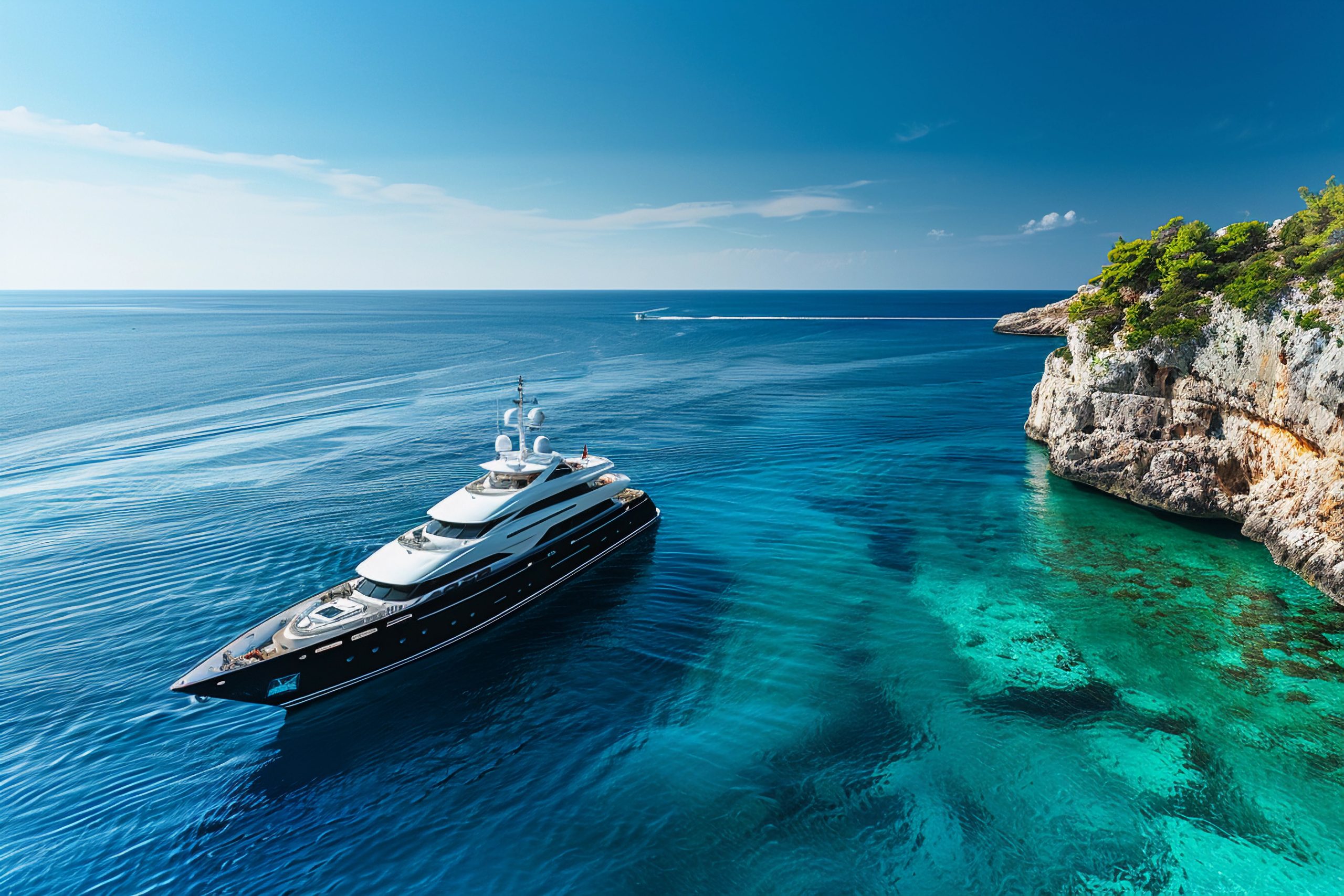
Termodinamica Marine stands out for its engineering of high-performance, custom-made marine HVAC systems. The Italian company combines engineering expertise, in-house production, and attention to the environment, offering concrete solutions to the needs of shipyards and owners.
Since its foundation in 2010, Termodinamica has been committed to redefining onboard thermal management. Born from the expertise of 3 partners with decades of experience in industrial refrigeration and mechanics, the company quickly established itself as a specialist in the yacht air conditioning sector, offering systems that combine high performance with a clear commitment to sustainability.
Catalog and services
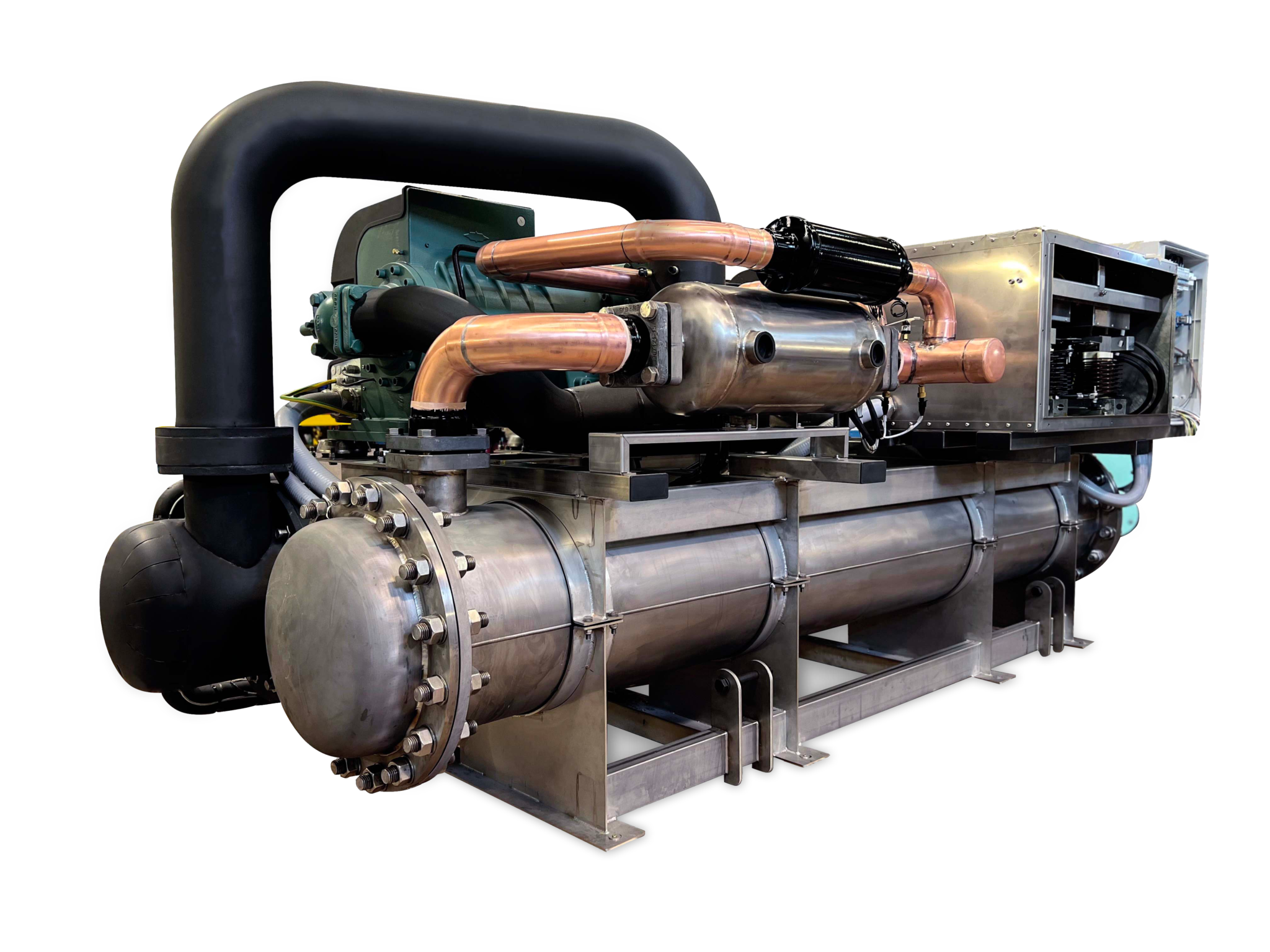
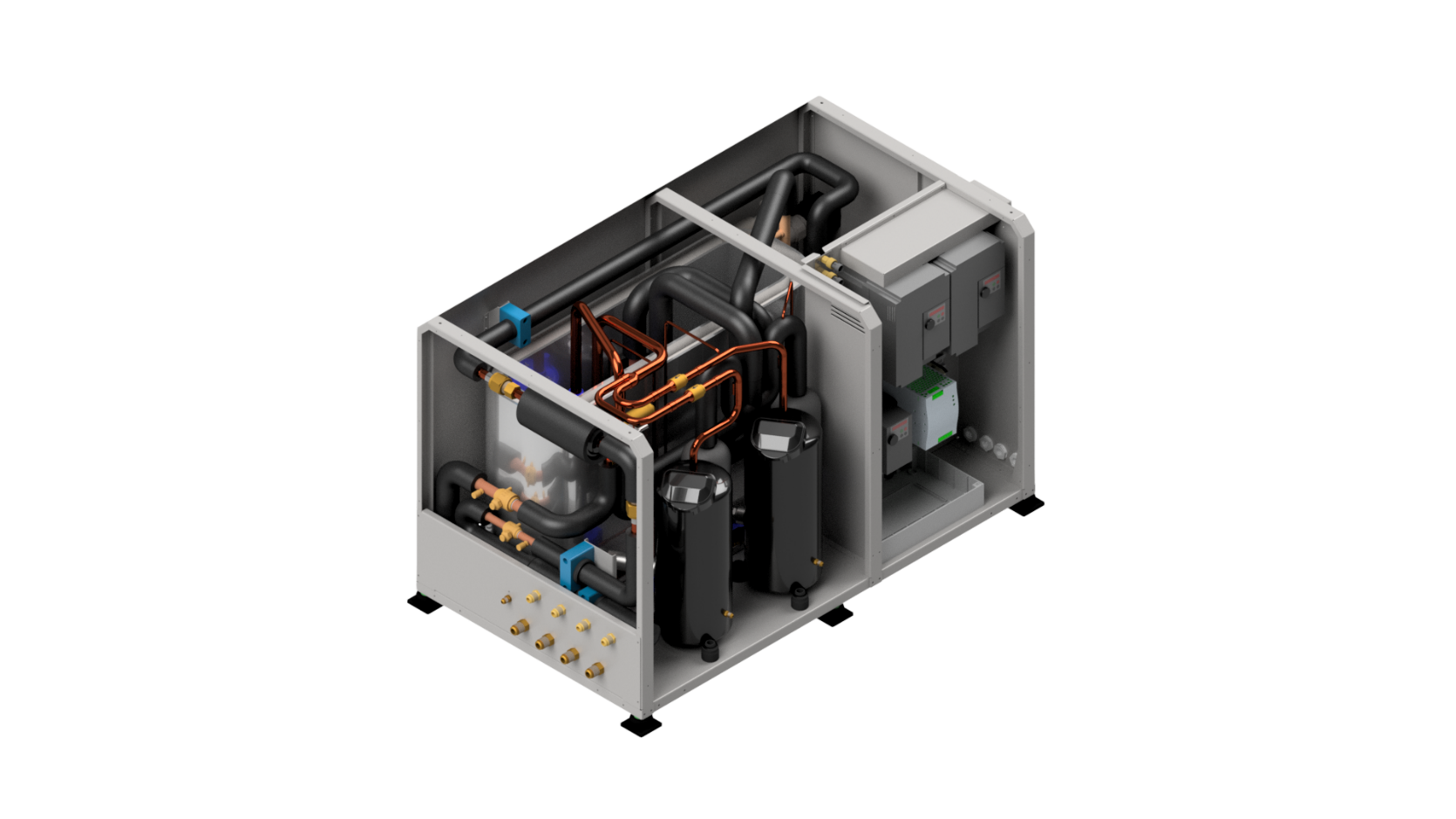
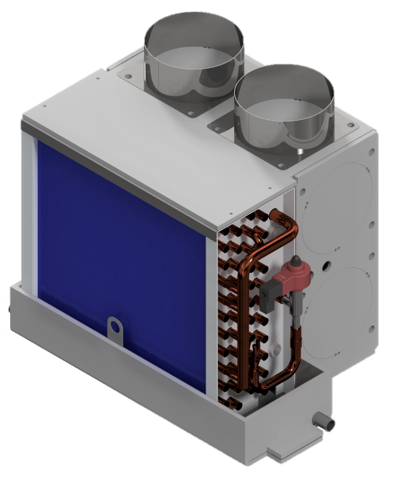
Termodinamica’s portfolio offers cooling and heating systems based on inverter heat pumps, cold rooms and chilled rooms – including stainless steel constructions on request – as well as bespoke titanium heat exchangers, handcrafted to meet the specific requirements of each project. Additionally, the company handles engine room ventilation and cooling, and it designs and installs complete air duct systems.
In essence, it offers comprehensive engineering solutions, custom-made products, and on-site installation or survey services with dedicated crews – covering the entire spectrum of thermal management, from HVAC to shore power converter cooling, fuel cell cooling, and heating systems for polar water operations.
An integrated approach
Based in Varese, Italy, Termodinamica develops most of every aspect of its products in-house. The company is structured into 3 specialized divisions: mechanics, electronics, and refrigeration. This integrated approach combined with the use of only the highest quality products and the finest technology are the hallmarks of Termodinamica.
Moreover, sustainability is deeply embedded in their business philosophy. They believe environmental responsibility is not only a moral obligation but also a strategic asset for long-term success. Their systems are engineered to maximize energy efficient cooling, minimize environmental impact, and extend product lifecycle, ensuring that both performance and ecological footprint are optimized.
- Reduced Fuel Consumption. Significantly lower energy demand reduces the amount of fuel the yacht needs to carry, freeing up space on board for other essentials.
- Lower Operating Costs. Reduced fuel consumption means lower fuel costs. • Minimized Generator Runtime. Lower energy requirements allow the generator to run for shorter periods, extending its lifespan and reducing maintenance needs.
- Increased Range. Decreased total fuel load enables longer cruising distances without refueling, expanding the yacht’s operational range.
True manufacturers
We spoke with Maurizio Tropea, one of the founding partners, to understand more about the company’s approach, the technologies behind their success, and the future of marine HVAC systems.
What are the key factors behind Termodinamica’s success in the marine air conditioning market?
The main reason is that Termodinamica designs and manufactures the majority of its components internally, and provides in-house engineering for all of them. We are not simply assemblers of commercial parts – we are true manufacturers. This gives us full control over the performance and quality of every system we deliver.
So your solutions are specifically engineered for each yacht, not just off-the-shelf products?
Exactly. Everything starts from the specific needs of the project. We work closely with shipyards and designers to define the right combination of materials and components for each application. This tailored approach allows us to reach very high levels of efficiency and cooling capacity – even for yachts operating in super-tropical conditions.
In which ways are your systems characterized by technical refinement?
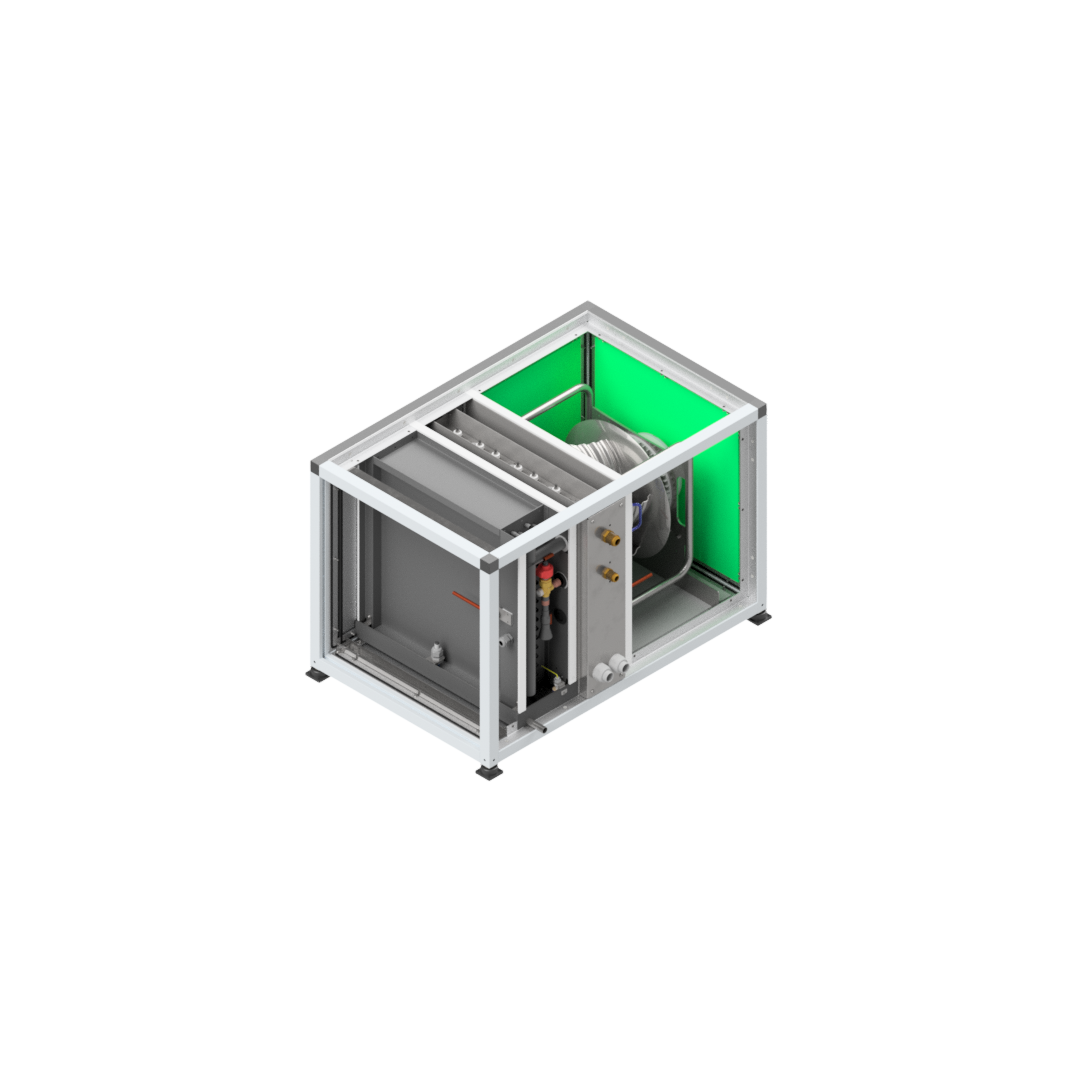
We are proud to be a manufacturer of marine inverter HVAC systems that use titanium heat exchangers, Grade 2. This patented architecture offers outstanding resistance to both corrosion and fouling, which are two of the most common and costly issues in marine environments. In addition, our specialization in Direct Gas Expansion (DX) air conditioning systems also allows us to offer high-efficiency, compact, and reliable solutions, tailored for the unique challenges of the marine sector.
Could you elaborate on Termodinamica systems’ efficiency?
Termodinamica HVAC solutions are extremely efficient. Many of the most advanced yachts in Europe and the U.S., particularly those where sustainable yacht technology and modern fuel considerations are a priority, rely on our systems. Our air conditioning units guarantee at least a 50% reduction in generator size requirements and achieve up to 70% lower energy consumption compared to most conventional systems on the market. These are real, measurable results that have a significant impact on both environmental footprint and operational costs.
How does the company achieve such energy savings?
We pioneered ‘capacity on demand’ cooling technology, which allows extremely precise control over both cooling and heating, as well as dehumidification levels that are unrivaled in the market. Combined with our use of direct gas expansion and titanium heat exchangers – which offer total resistance to corrosion and fouling – the system is both highly durable and extremely efficient.

The benefits seem to extend beyond just energy savings…
Absolutely. Our systems offer multiple advantages. For the shipyard, the reduced generator size, the smaller footprint of the HVAC equipment, and the lighter system weight translate into more usable space, greater design flexibility, and longer range for the yacht. For the owner, the reward is onboard comfort that meets the highest standards, all while reducing environmental impact. For us, sustainable yacht technology is not just a marketing claim – it is deeply embedded in our design and production processes.
Are there new developments on the horizon?
We are continuously optimizing our systems, with a clear focus on green solutions. By 2026, we will introduce products that are 25% more efficient than our current models. Our goal is to stay ahead of the curve, both in terms of performance and environmental responsibility.