Corvus Energy announced that much improved specifications of its lithium ion battery systems have been reported after a validation process.
The newly renamed AT6700 model (previously AT6500) has “superior specifications,” with a validated energy capacity of 6.7kWh.
Working closely with the Laboratory of Alternative Energy Conversion (LAEC) at Simon Fraser University (SFU) and its founder Dr. Majid Bahrami, the Canadina company ran extensive tests on the performance and characteristics of the AT6500 platform: the results are said to be consistent with the performance of Corvus’ existing installations.
Andrew Morden, President and CEO of Corvus Energy, commented: “We are the only lithium ion battery company with a substantial base of propulsion systems operating in the field, more than 40 ESSs on vessels and port cranes all over the world, and it is this real world operational intelligence in combination with our rigorous testing program that enables Corvus to specifically design its current and future battery systems to the needs of operators.”
He also added that the company will keep its role of innovation leader with the introduction of its next generation lithium ESS (Energy Storage System) products later this year.
In April, it was reported that Corvus had signed a deal to install its ESS aboard Germany-based Siemens AS and Norway-based Ostensjo Rederi’s new hybrid electric multi-purpose supply vessel.


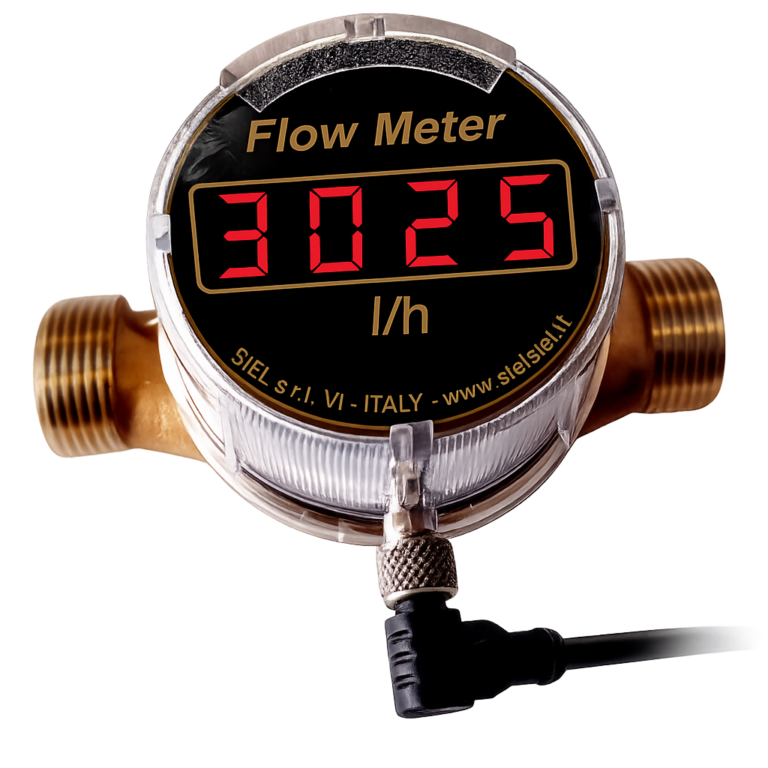
Reliable and accurate turbine flowmeters
In the field of industrial automation and Industrial Fluid Monitoring, accurate Marine Flow Measurement is a strategic factor in ensuring efficiency, safety, and operational continuity.