Lloyd’s Register hosted the world’s first workshop on full scale hydrodynamic computer simulations at its Global Technology Centre in Southampton.
The workshop was aimed at comparing the results of blind numerical predictions of ship scale performance submitted by international ship designers taking part in the workshop with Lloyd’s Register’s sea trials measurements, to assess and develop the capabilities of the numerical tools in ship scale and increase confidence in ship scale Computational Fluid Dynamics.
This is the first time that the industry has openly compared full scale CFD with comprehensive measurements, and the workshop demonstrated that ship speed could be predicted within about 4% of actual trial speeds.
The workshop is a key step on the path to making CFD the final verification of ship scale design performance, rather than relying on scale model tests. The transition to this approach will help reduce design costs and provide a greater opportunity to develop more energy efficient ship designs.
Participants from 15 countries provided details of their CFD modelling and discussed the reasons for any differences to help develop industry guidance for ship scale CFD modelling.
LR’s innovation strategy and research director, Luis Benito, commented: “In the era of ‘simulation’, CFD technology and advanced computing power plays a key role in predicting performance ahead of reality. LR’s ship performance group, part of our technical investigation department, has engaged world experts by sharing measured performance data from an operating ship (a general cargo vessel) and facilitating a discussion of the different CFD modelling approaches used by the participants.
“This meeting has created a community among industry and helped to further enhance LR’s own CFD modelling expertise. LR CFD in turn predicts reality on aspects of ship performance like few others do in the market. This is why I am so proud of LR hosting and chairing the first international full scale numerical modelling workshop,” he concluded.


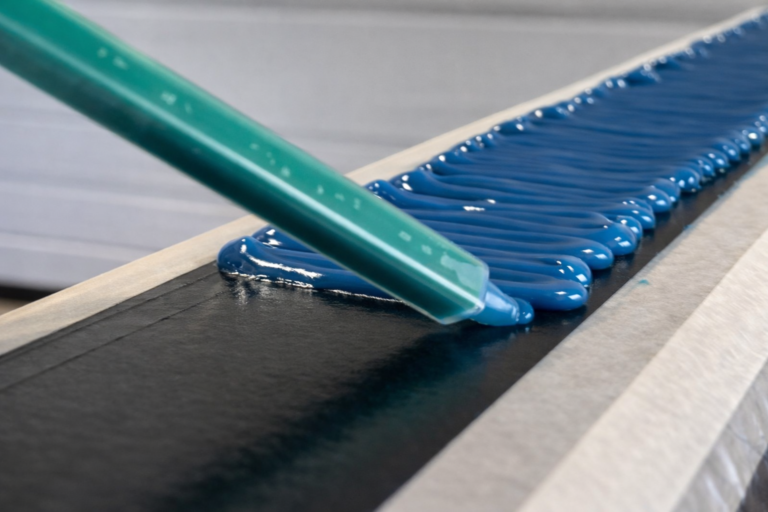
When structural bonding becomes a design guarantee
In the marine world, structural bonding does not simply mean joining parts together: it means transferring loads, managing vibration, and ensuring long-term performance in a demanding environment.