Over the past few years, Tebis and Belotti have developed a solution specifically designed for machining components in the marine industry, combining advanced CAD/CAM programming, 5-axis CNC machining, and digital management of the entire manufacturing process.
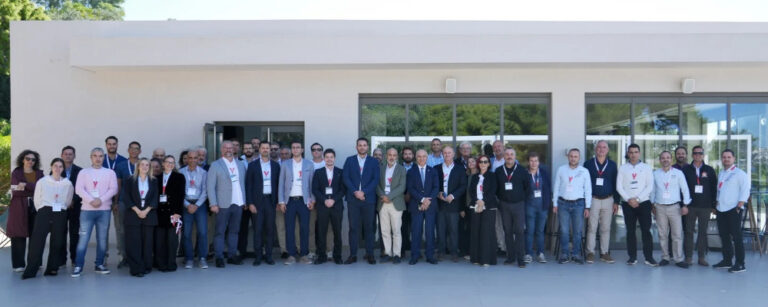
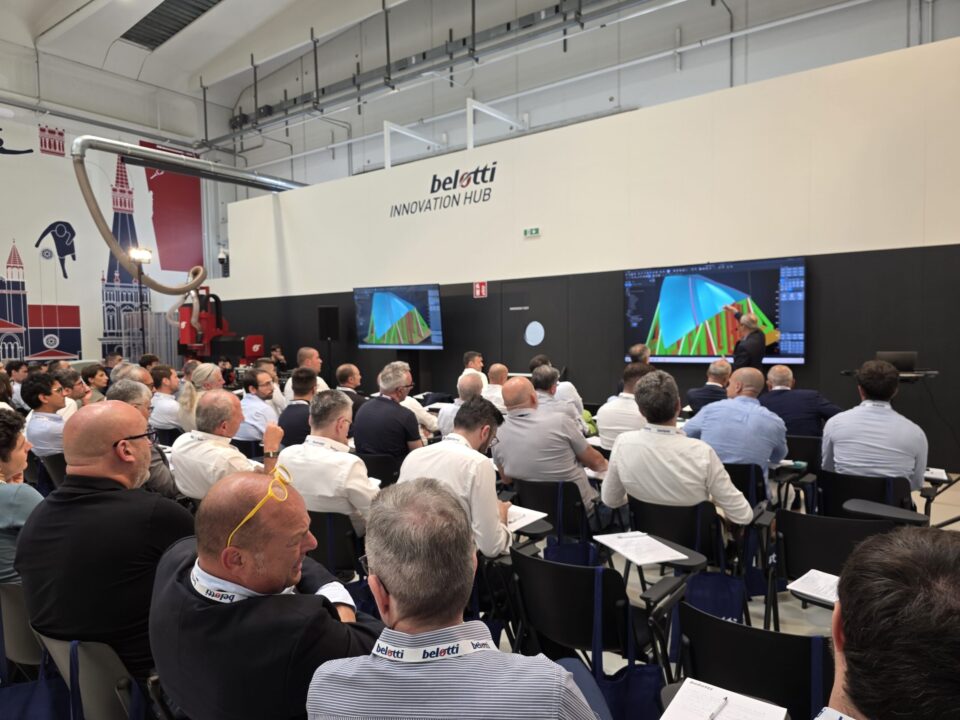
The results achieved in the first industrial applications were presented during the Belotti Tech Day at the Belotti Innovation Hub in Modena. The event provided an opportunity to discuss with some of the leading players in the industry, including Persico Group, Cranchi Yachts and Cantieri Capelli, the technologies that are helping redefine manufacturing standards in the marine sector.
A single digital platform for the entire CAD/CAM process
The software component of the solution is based on the Tebis platform, developed to manage the entire CAD/CAM process within a single integrated environment. The system enables simultaneous processing of surface, solid and mesh CAD models derived from 3D STL scans, eliminating the need for data transfer between different software applications and ensuring data continuity throughout the entire process.
One of its key advantages is the ability to handle large-scale models while maintaining high operational performance. Exact Solid technology also enables machining directly from the original mathematical model without introducing conversion tolerances, thereby contributing to improved geometric accuracy and surface quality of the final component.
The integrated 3-axis, 3+2-axis and continuous 5-axis CAM applications generate highly optimized toolpaths with extremely tight tolerances, down to one-tenth of a micron, a fundamental requirement for producing high-quality aesthetic surfaces.
The high level of automation also significantly reduces programming time by standardizing machining operations and making the process more efficient and repeatable.
Belotti’s expertise serving the international marine industry
For more than 25 years, Belotti has supported leading international shipyards by supplying CNC machining centers used in the production of boats, patterns and molds.
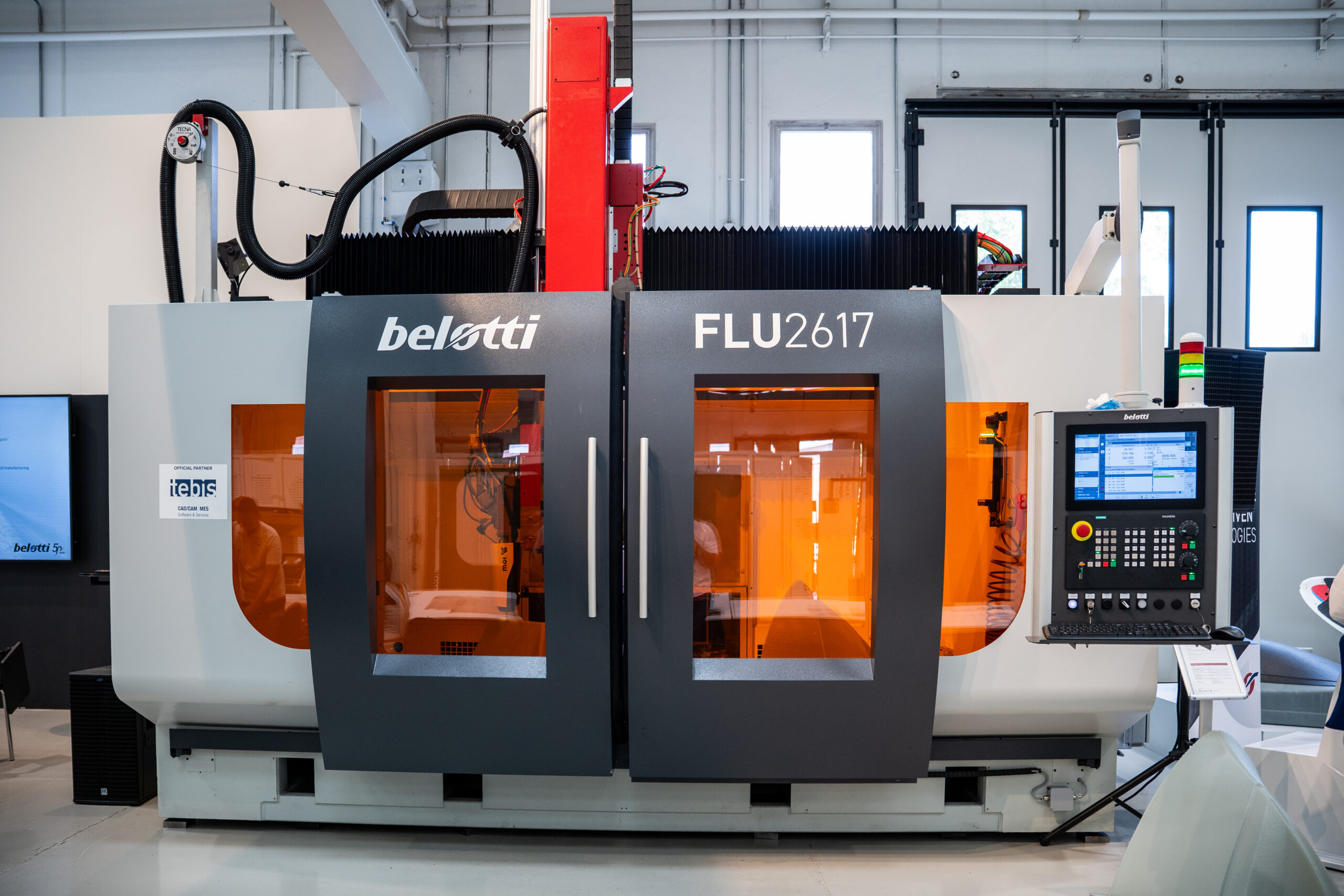
The company has developed the NAVY Series, a range of high-speed 5-axis CNC machining centers specifically designed for the marine industry and for machining large-scale components.
The different configurations available enable the machining of both patterns and molds, as well as structural components and finished boat parts, from cutting resin patterns to trimming fiberglass hulls and decks and advanced composite materials.
Thanks to its robust Cartesian gantry structure with overhead bridge, the NAVY Series also ensures rigidity, precision and reliability, even in the most demanding machining operations.
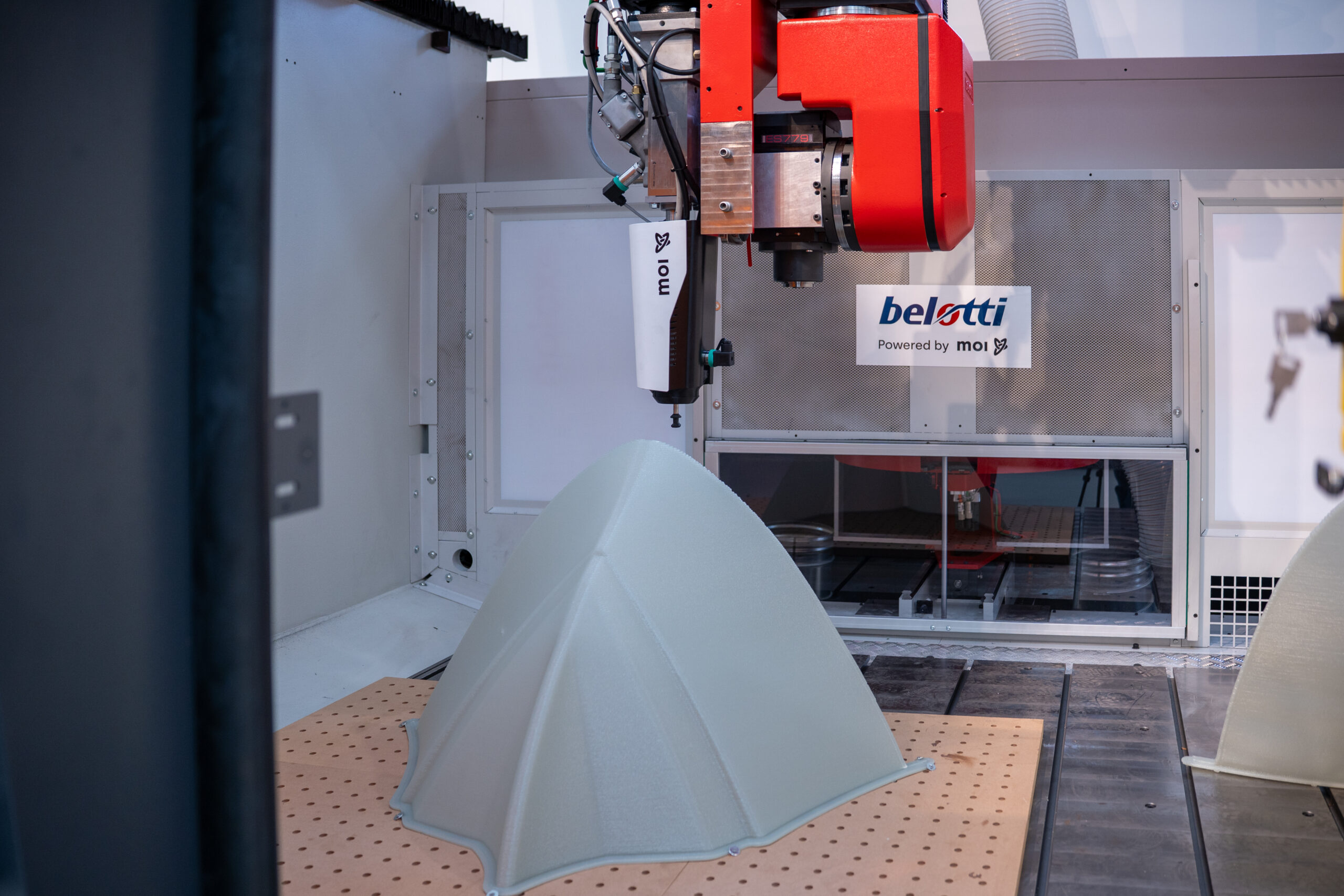
Within this process, milling also plays an important role in ensuring geometric accuracy and surface quality. Thanks to the high level of automation provided by the Tebis CAD/CAM platform, toolpaths can be generated in just a few clicks, reducing programming time while ensuring high quality of the final result.