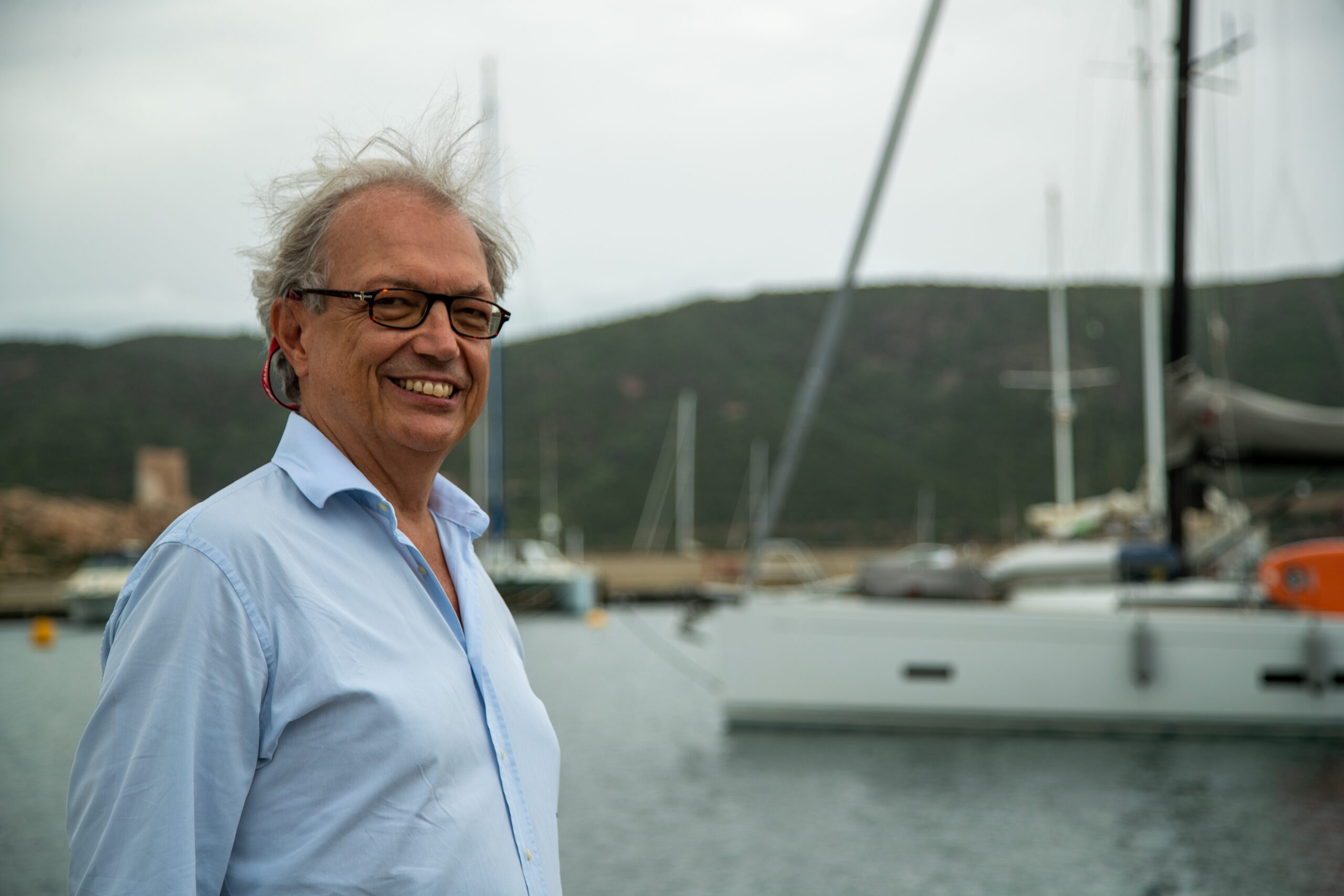
Leisure port infrastructure is undergoing a profound transformation that goes far beyond the upgrading of physical assets. Service digitalisation, data-driven resource management and energy efficiency are redefining the role of marinas, which are increasingly taking on the characteristics of complex technological infrastructures, integrated with their surrounding areas and aligned with the evolving needs of contemporary boating.
Marinedi Group
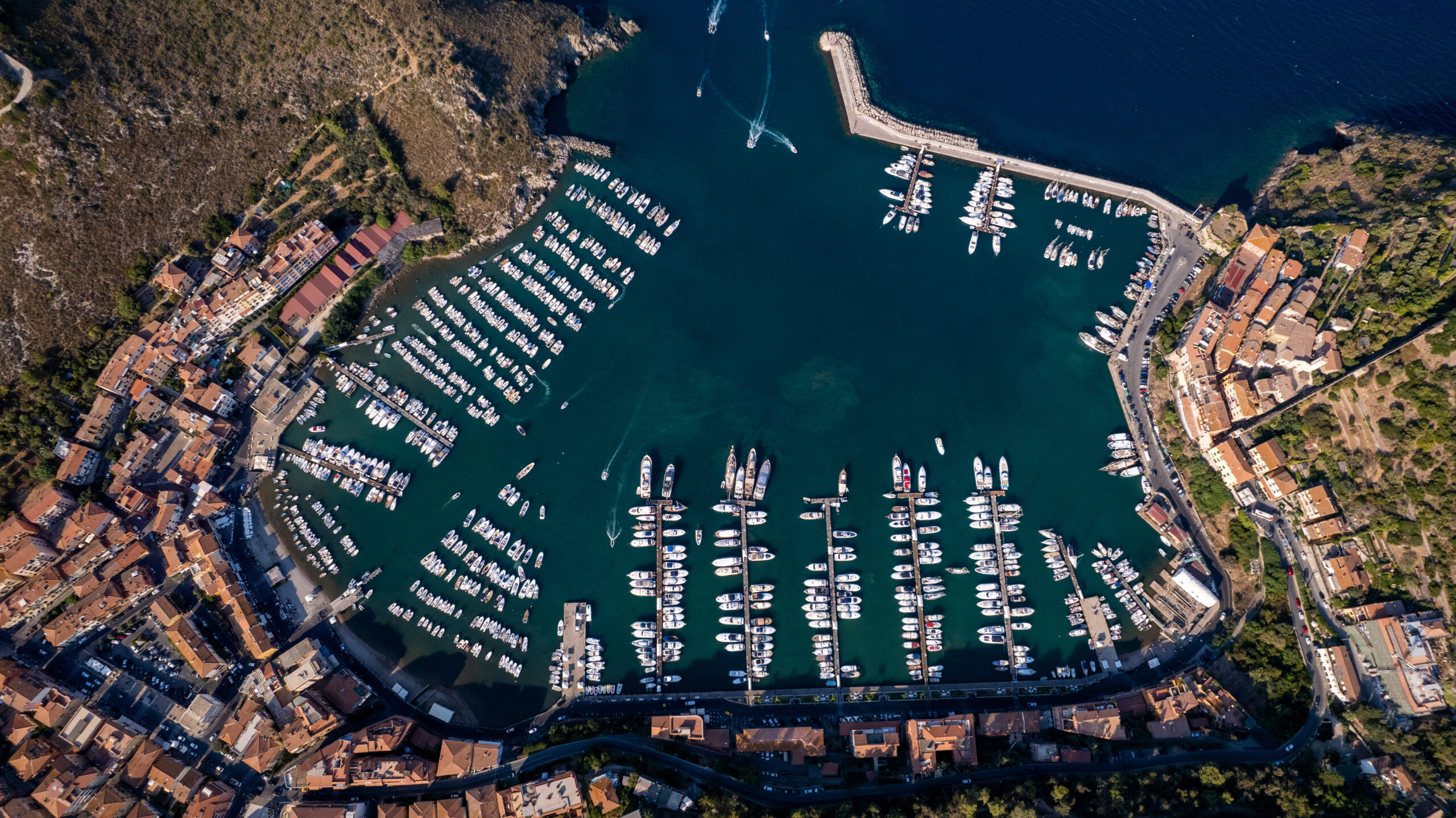
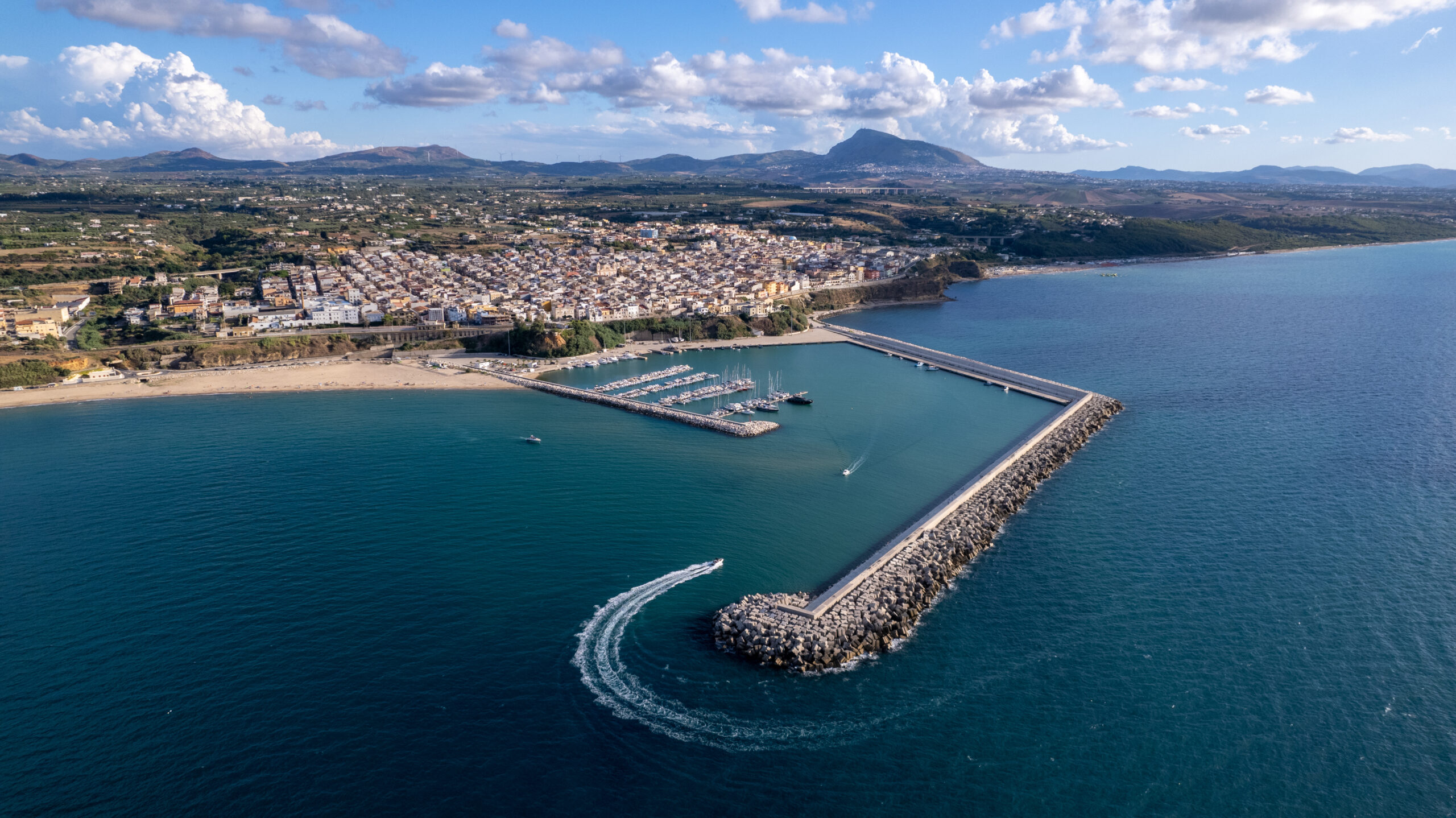
At global level, major international operators are investing heavily in automation, digital platforms and advanced energy management systems. Within this context, we met engineer Renato Marconi, CEO and founder of the Marinedi Group, one of the most interesting cases in the Mediterranean landscape: a constantly expanding network with more than 5,700 berths across 14 marinas in Italy, which has chosen to base its growth on technological integration rather than simple scale expansion.
The Marinedi experience offers an interesting perspective on how digital transformation can become an integral part of the development strategy of a marina network, rather than being limited to individual technological projects.
From isolated ports to a network of connected destinations
The starting point of the strategy is moving beyond the traditional model of the marina as a stand-alone entity. The stated objective is to build a coordinated network of marinas sharing common operational standards, consistent services and shared digital infrastructure.
Within this model, technology becomes the binding element that enables service continuity across the national territory, even where marinas differ in size, urban context and infrastructural characteristics.
The concept of the connected marina therefore extends beyond the individual port facility. Digital infrastructure allows information, services and operational procedures to be progressively integrated across different locations, creating a more consistent experience for both operators and boaters.
Technology as an enabling infrastructure
Digital transformation is not treated as a parallel project, but as an integral part of the industrial strategy. Cloud-based management software, electronic access control systems, consumption monitoring platforms and remote supervision tools make centralised, data-oriented management possible.
Operationally, this approach affects key activities such as berth allocation, administrative management, utilities control and infrastructure maintenance, reducing inefficiencies and increasing the ability to intervene in real time.
The transition towards a digital marina infrastructure therefore involves multiple layers of activity. Data generated by different systems can support operational decisions, while centralised platforms can provide greater visibility over resources and infrastructure.
This represents a significant change from traditional management models, in which many processes were handled independently at individual facilities.
Environmental monitoring and intelligent resource management
One of the areas where digitalisation delivers the most immediate benefits is water and energy management. The adoption of real-time monitoring systems makes it possible to collect precise consumption data, identify anomalies and act promptly.
Real-time data can therefore become an operational tool for identifying abnormal consumption patterns and improving the management of resources. In a marina environment, where water and energy are distributed across numerous berths and facilities, this capability can have a direct impact on efficiency.
These solutions are complemented by targeted technological measures aimed at reducing environmental impact: high-efficiency LED lighting, smart pedestals for controlled supply management, the use of eco-compatible maintenance products, and devices for the continuous collection of waste and microplastics in harbour waters.
Taken together, these technologies lay the foundations for a gradual move towards carbon neutrality, compatible with the scale and characteristics of Italian marinas.
Smart Port: data and processes at the core
In industry debate, the concept of the “Smart Port” is often used in a generic way. In the Marinedi case, the Smart Port is understood as a digital infrastructure capable of integrating data, systems and processes.
This definition places data and process integration at the centre of the transformation. Digitalisation is not limited to providing individual online services but aims to connect different operational functions within a broader technological architecture.
The digitalisation of administrative services, online berth booking, electronic access control, 24/7 video surveillance and integration with external platforms dedicated to boaters all contribute to improved safety, efficiency and overall user experience.
The Smart Port consequently becomes a platform through which infrastructure, services and users can interact more effectively.
Energy efficiency and distributed generation
Energy is one of the strategic nodes in port transformation. The adopted approach aims to progressively reduce dependence on traditional grids through low-consumption technologies and local energy production from renewable sources.
The combination of renewable energy generation and intelligent consumption management is particularly relevant for marina infrastructure, where demand can vary considerably according to season, occupancy and the services provided to boaters.
The goal is to strike a balance between operational efficiency, environmental sustainability and cost control, in a context where rising energy demand is also linked to the evolution of craft and shore-based services.
This approach makes energy management an increasingly important part of the overall digital transformation of the marina.
The challenges of digitalisation at national scale
Digitally transforming a network of 14 marinas distributed along the Italian coastline inevitably presents challenges. Interoperability between different systems, upgrading existing infrastructure, standardising operational procedures and staff training are all central elements of the process.
The complexity increases when digital technologies have to be introduced into existing facilities with different characteristics, infrastructures and operational histories.
Organisational aspects therefore prove just as decisive as technological ones.
The success of digitalisation depends not only on the implementation of new hardware and software, but also on the ability of personnel to integrate these technologies into daily operations. Training and progressive implementation consequently become essential components of the transformation process.
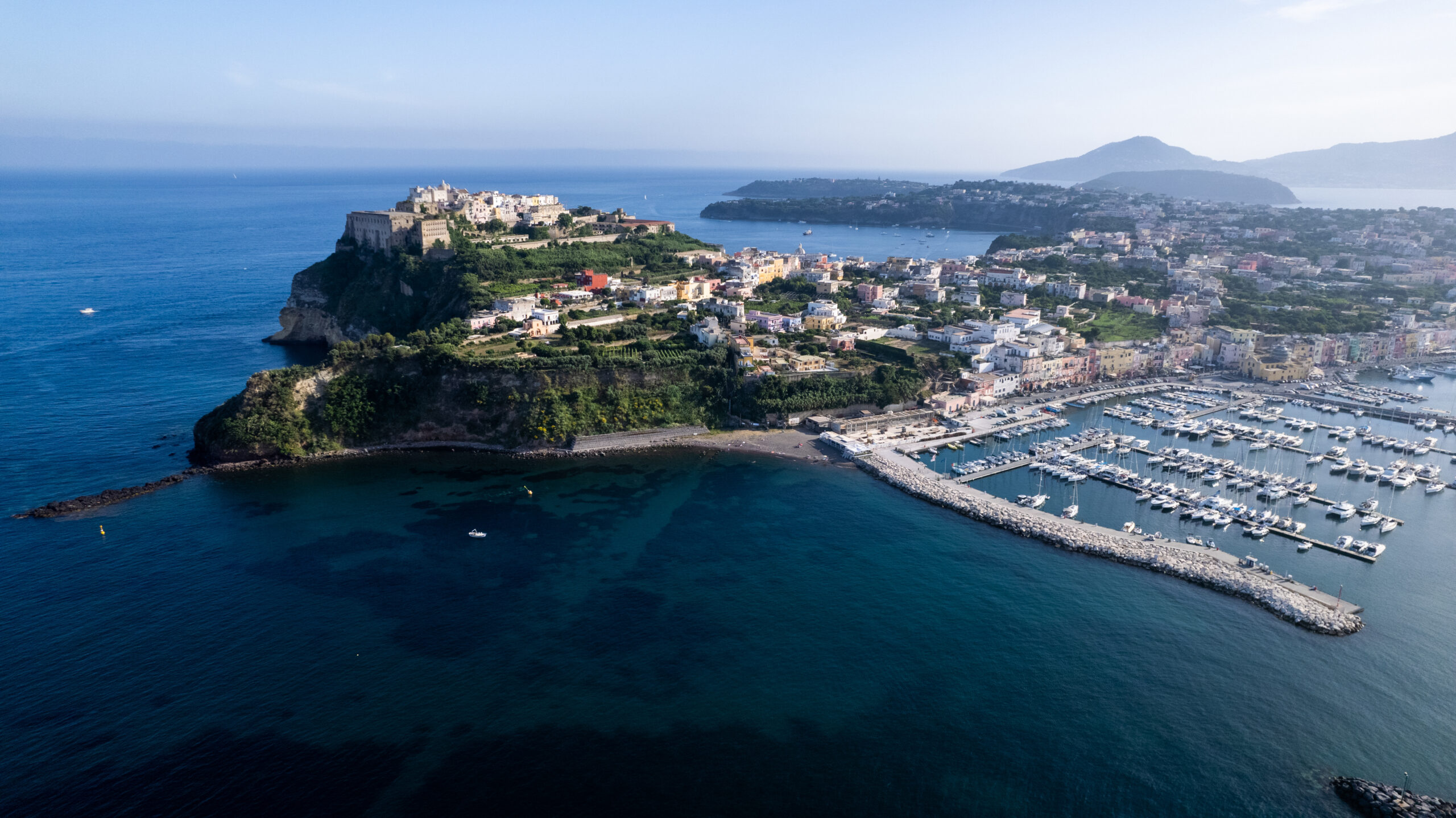
Digital platforms and new access models for marinas
A further element of the transformation concerns integration with external digital platforms dedicated to nautical tourism. Presence on specialised marketplaces increases marina visibility and helps attract customers already inclined towards online booking.
The integration of marinas into digital booking ecosystems also changes the relationship between operators and customers.
These tools help position the marina as part of a broader digital ecosystem, in line with the expectations of an increasingly connected clientele.
Online access to information and booking services can make the process of selecting a berth more immediate, while providing marina operators with additional tools to manage demand and transient traffic.
Towards 2030: marinas as technological platforms
From major international industry conferences, such as the ICOMIA World Marinas Conference, well-established development trajectories are emerging: service digitalisation, environmental sustainability, quay electrification, real-time infrastructure monitoring, widespread use of IoT sensors and advanced energy management.
The evolution towards 2030 therefore points towards marinas that increasingly resemble technological platforms, in which physical infrastructure and digital systems operate together.
Connectivity, real-time data, IoT technologies, energy management and digital customer services can progressively transform the marina from a static infrastructure into an integrated environment capable of adapting to operational requirements and user expectations.
Marinedi today represents a privileged observatory on the technological evolution of leisure port infrastructure in the Mediterranean, demonstrating how digital transformation can be applied in a concrete way even outside the major global networks, while adapting to the infrastructural and territorial specificities of the Italian context.