As vessels become more connected and technologically advanced, marine fluid control systems are evolving from simple mechanical infrastructures into complex networks where valves, actuators, sensors and electronic control units must operate as a single coordinated system.
According to Paolo Comparato, co-owner of Comparato Nello S.r.l., the most common failures rarely originate from individual components. Instead, they emerge at the interfaces between systems, where mechanical, hydraulic and electronic elements must interact under demanding operating conditions.

Paolo Comparato, co-owner of Comparato Nello S.r.l.
The importance of system integration
In modern onboard applications, valves and actuators are no longer passive components. They have become intelligent elements capable of communicating with centralized automation systems, dynamically regulating flows and contributing directly to energy efficiency and operational continuity.
This evolution is driving the adoption of motorized valves for marine applications, integrated hydraulic units and smart control systems capable of reducing inefficiencies and minimizing potential failure points throughout the vessel.
Sizing: a critical engineering challenge
One of the most common design errors remains improper system sizing. Oversizing, often adopted as a precautionary measure, can lead to excessive energy consumption, poor flow regulation and reduced operational efficiency. Conversely, undersizing can compromise performance in secondary circuits and specialized applications.
Achieving the correct balance requires technical expertise, accurate engineering calculations and a thorough understanding of the vessel’s operational profile.
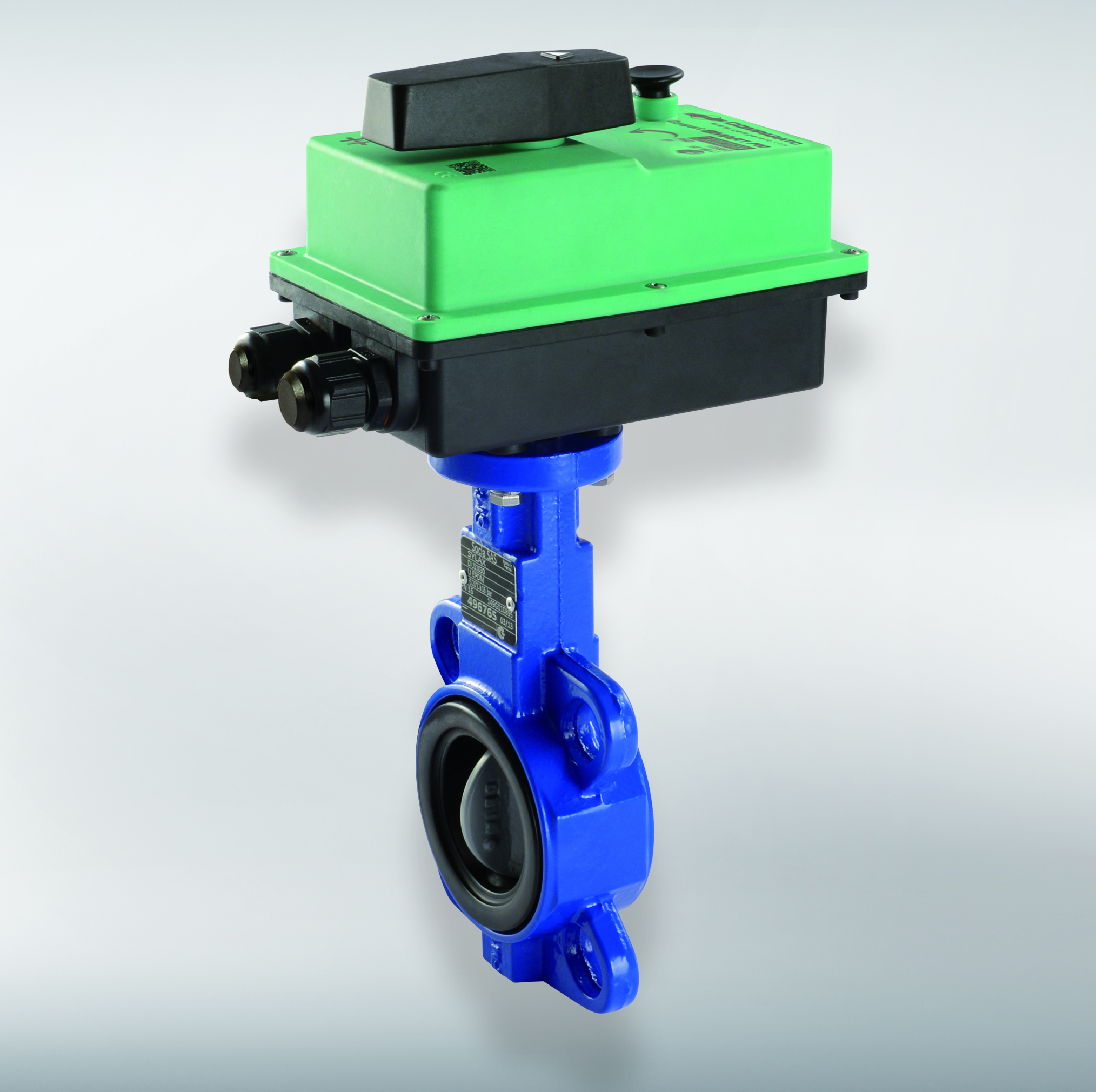
Compact actuator combined with a butterfly valve, developed for applications where space constraints and fast response are key factors. This configuration enables efficient flow control in large-diameter pipelines, while maintaining reduced overall dimensions and ensuring compatibility with automated onboard systems
Installation quality matters
Even the highest-quality components can fail to deliver expected performance if installation is not executed correctly. Misalignment, mechanical stress, inadequate piping layouts and wiring errors can compromise overall system reliability.
For this reason, solutions that simplify installation and reduce the possibility of human error are becoming increasingly important in the development of integrated marine automation systems.
Maintenance as a design parameter
Maintenance is frequently addressed too late in the design process, despite being a fundamental factor in long-term system performance. Accessibility, line isolation capabilities and rapid intervention procedures should be considered from the earliest project stages.
Modern marine systems increasingly prioritize modularity and maintainability, enabling faster service operations and reducing vessel downtime.
The evolution of intelligent flow control
The growing digitalization of onboard systems is transforming valves into active components capable of real-time communication and adaptive control. Technologies such as IP68-protected actuators, smart controllers and connected flow management devices are creating a new generation of smart onboard HVAC and fluid management systems.
In this environment, fluid control becomes a strategic function that directly impacts energy efficiency, safety and operational reliability.
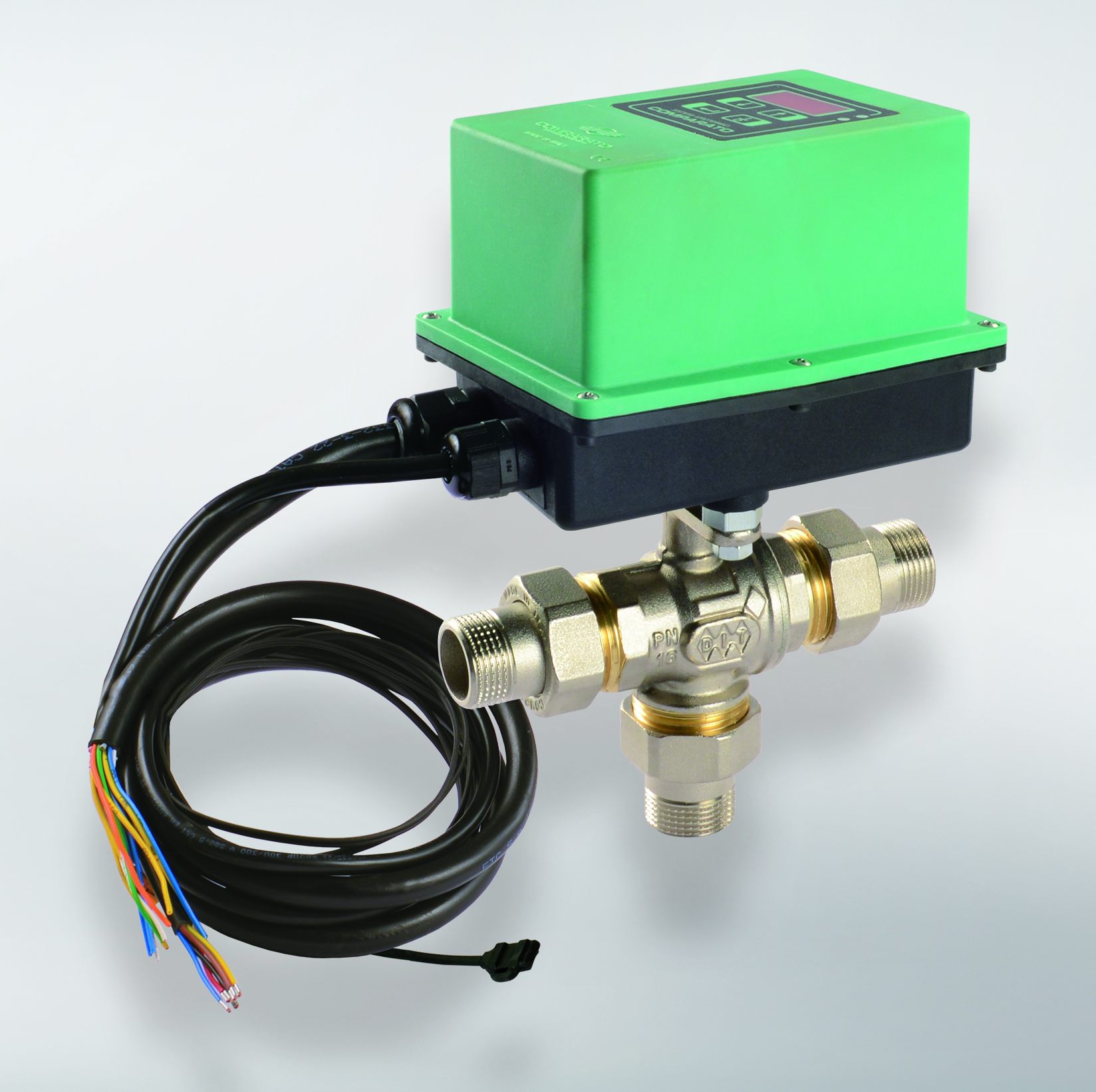
Diamix Plus mixing valve with integrated electronic control, designed for precise temperature regulation in onboard systems. Thanks to advanced control logic and connectivity options, it enables accurate thermal management, real-time monitoring, and seamless integration with centralized automation platforms
Looking ahead
The future of onboard fluid management will be shaped by digitalization, connectivity and real-time adaptation. Increasingly compact and intelligent components will interact with centralized platforms capable of monitoring and optimizing the entire system continuously.
In this context, the ability to integrate mechanics and electronics effectively will become a key differentiator in the development of next-generation marine systems.