According to Tettamanti, HP Watermakers desalination systems offer a range of unique advantages that go far beyond simple onboard water production. In particular, the evolution of HP Watermakers Desalination Systems has introduced higher efficiency, automation, and reliability, making them a key component in modern yacht design and operation.
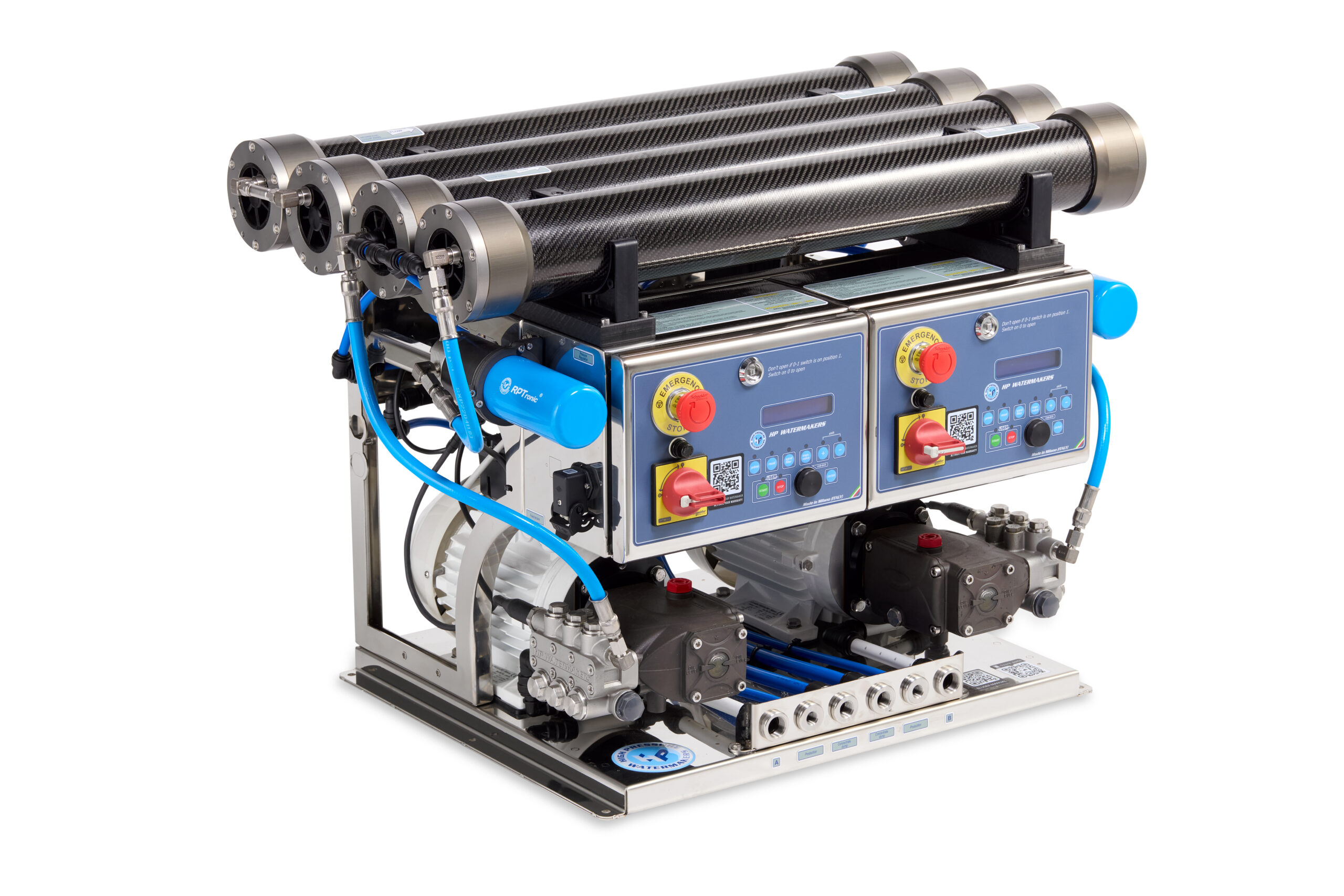
Among the most relevant innovations are RP-TRONIC and AMCS, two technologies that significantly reduce the need for manual intervention. With these systems, crews can virtually forget about routine watermaker maintenance, thanks to advanced Marine Watermaker Maintenance Solutions that ensure continuity, protection, and performance over time.
Part-NET further enhances usability by providing a user interface compatible with leading chartplotters, enabling direct control of the watermaker from the helm station.
Offshore experience as a foundation for technical consultancy
The applications of HP Watermakers desalination systems are always interesting, but understanding the motivations behind installation choices is even more valuable in explaining why certain models are preferred over others.
When a yacht owner decides to outfit a boat, they often rely on a consultant capable of interpreting operational needs and translating them into practical onboard solutions. This is where experience becomes critical.
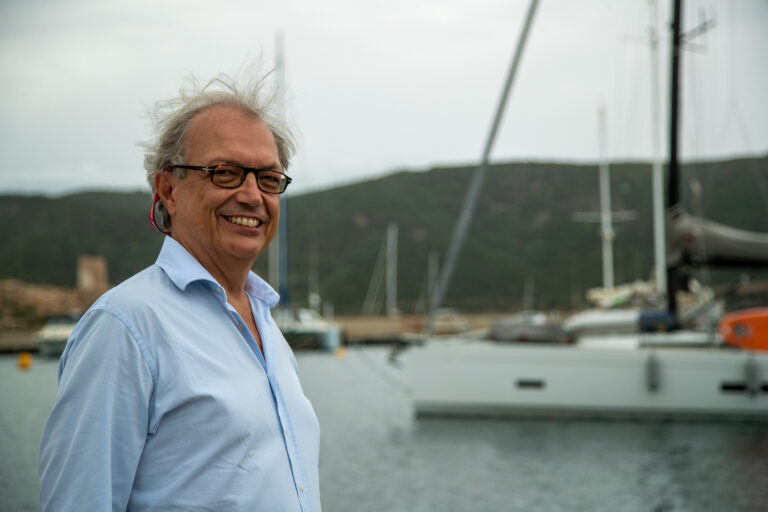
Enrico Tettamanti embodies this role, drawing on decades of navigation across all oceans and diverse maritime conditions. His background in offshore sailing and expedition cruising gives him a highly technical and practical perspective when advising on yacht systems and configurations.
A life at sea: extreme routes and global circumnavigations
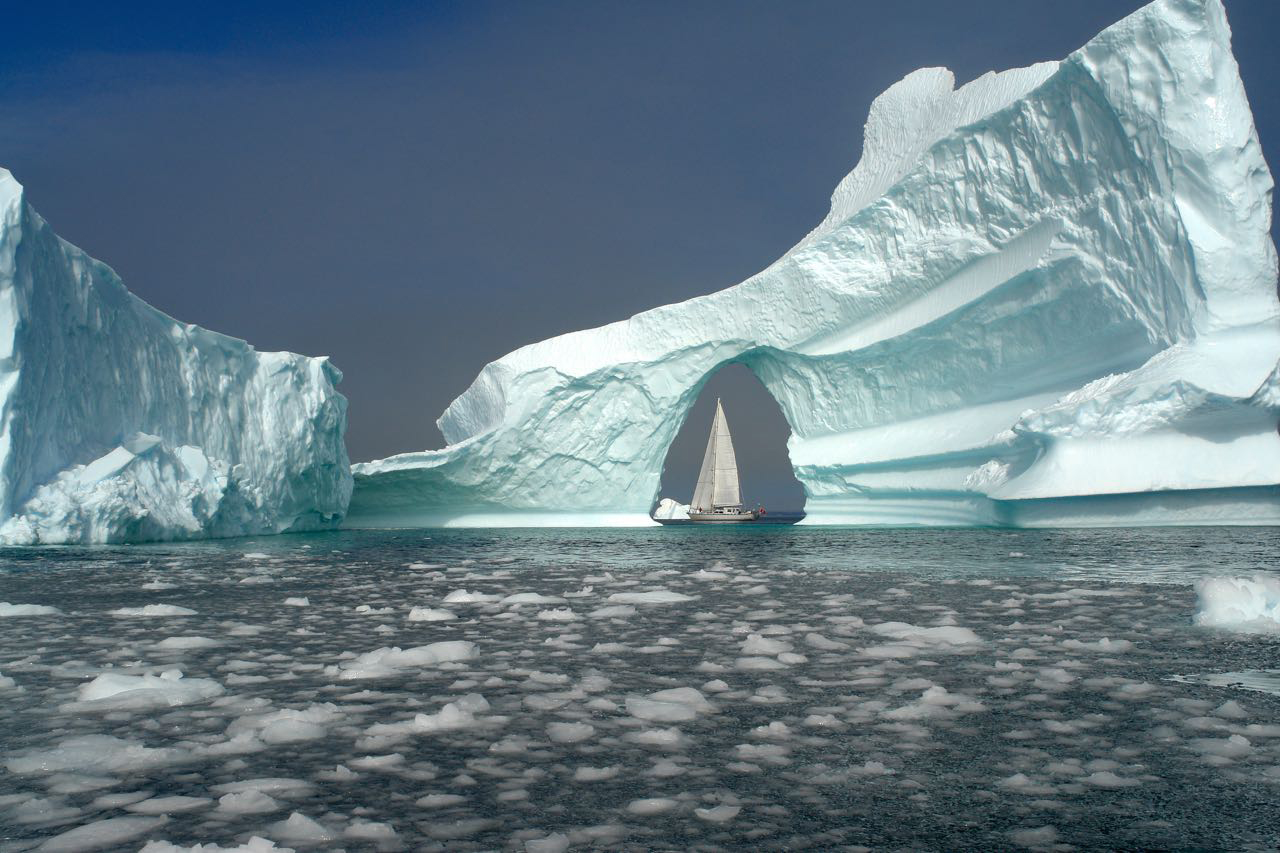
Now 50 years old, Tettamanti spent 25 years living aboard his boats full-time, pursuing the Kamana projects: voyages designed to reach extreme and remote destinations by sea.
The philosophy behind these expeditions was “Extreme made accessible,” allowing clients to experience some of the most remote and challenging locations in the world.
Over his career, he completed three circumnavigations of the globe, often navigating demanding routes such as the Northwest Passage and Arctic corridors connecting the Pacific and Atlantic Oceans.
Although he no longer sails full-time, he has naturally transitioned into consultancy for yacht owners and shipyards. Today, he specializes in Yacht Refit Project Management and fully custom yacht builds, starting from a blank sheet of paper to design vessels intended for long-range cruising and expedition use. He also continues to sail his Hallberg-Rassy yacht, equipped with an HP Watermakers SC 140 system.
Why watermakers are becoming essential on modern yachts
“You don’t need to undertake ocean crossings to appreciate the value of having a watermaker on board,” explains Tettamanti.
In the past, desalination systems were typically installed only on yachts above 70 feet. Today, however, they are increasingly requested even on boats of 40 feet and below.
The reason is simple: modern yacht owners are spending more time at anchor and away from marinas, where access to freshwater is limited. In these conditions, onboard desalination becomes essential.
At the same time, modern yacht design trends have reduced onboard storage capacity. High-performance hulls and optimized interiors leave less space for large freshwater tanks, making systems like HP Watermakers Desalination Systems not just convenient, but often necessary.
The same applies to long-range motor yachts designed for autonomous cruising, where system independence and efficiency are key design drivers.
Automation and smart onboard management
One of the most valuable advantages of HP Watermakers systems is automation.
“You don’t have to be an ocean sailor to appreciate it,” says Tettamanti. “Weekend boaters may benefit even more from RP-TRONIC and AMCS than long-range cruisers.”
This is particularly true for owners who use their boats intermittently and without professional crew. In such cases, maintenance can easily be overlooked, making automation essential for reliability.
These technologies are at the core of modern Yacht Watermaker Automation Systems, ensuring consistent operation even with limited supervision.
RP-TRONIC automatically maintains constant operating pressure through a high-precision motorized valve, compensating for variations in seawater salinity and temperature. This ensures stable desalination performance and extends system lifespan.
AMCS (Automatic Membrane Conservation System) protects membranes during periods of inactivity by preventing bacterial growth and clogging. It works in combination with automatic flushing and controlled dosing of sodium metabisulfite, significantly improving membrane longevity.
Together, these systems form a highly efficient maintenance ecosystem that reduces operational risk and simplifies onboard management.
After-sales service and operational reliability
According to Tettamanti, one of the most underestimated aspects of onboard systems is after-sales support.
“It’s widely recognized that the more a watermaker is used, the better it performs,” he explains. However, leisure boats often remain inactive for long periods, typically being used only during the summer season.
This intermittent usage can lead to operational issues. While automation helps significantly, unexpected problems can still occur, making manufacturer support essential.
In his experience, HP Watermakers provides highly responsive technical assistance. Remote troubleshooting allows technicians to guide users step by step, even those without technical expertise, and quickly resolve issues when necessary.
This combination of system simplicity and strong support infrastructure significantly improves reliability in real-world conditions.
Choosing the right watermaker for each yacht
Production capacity is a key consideration when selecting a system.
“In general, 150 to 300 liters per hour is the most common range depending on yacht size,” says Tettamanti. “The 220 l/h model is currently the most requested.”
On smaller boats, however, additional factors such as space constraints and energy consumption become critical.
Energy efficiency is particularly important, as many owners prefer not to run generators overnight. For this reason, system optimization and real production efficiency are more relevant than theoretical specifications.
Tettamanti also advises caution regarding DC-powered systems, which in his experience tend to be less reliable.
Another important distinction is between declared and real production capacity. HP Watermakers systems, he notes, consistently deliver their stated output, which is not always the case across the industry.
Full onboard integration from the helm station
Modern yachting increasingly focuses on integrated system management and energy optimization.
“All onboard systems must communicate efficiently,” says Tettamanti, highlighting the importance of coordinated energy use between generator and watermaker systems.
Maximizing output in shorter cycles helps reduce energy waste and improves overall efficiency.
A key element in this process is control from the helm station. Thanks to Part-NET, HP Watermakers systems integrate with major chartplotter brands including Garmin, Raymarine, Furuno, Simrad, B&G, and Lowrance.
This allows users to monitor and control all system parameters directly from onboard displays, eliminating the need to access the engine room during operation.
As Tettamanti concludes, this level of integration is not only a matter of convenience, but a significant step forward in operational safety and efficiency onboard.