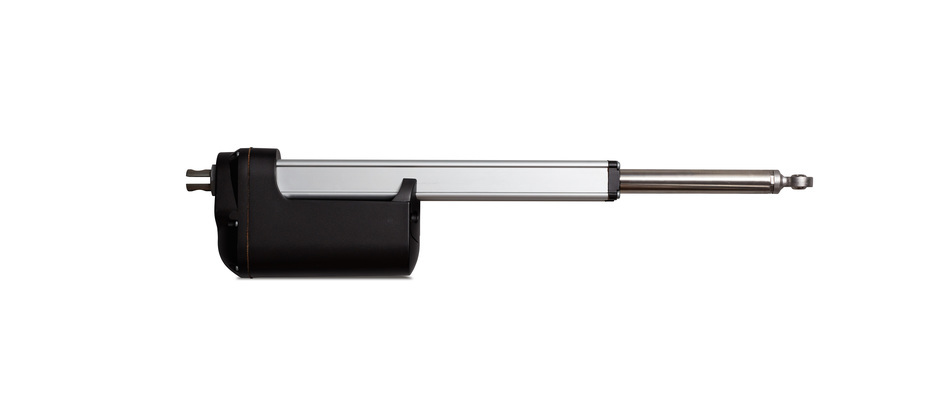
A representative example is the LA36 LINAK linear actuator: it combines high force output (push force up to 6,800 N), speed up to 160 mm/s, and the availability of versions featuring AISI 316 stainless steel mounting fittings. The universal LINAK I/OTM interface enables simplified integration during Marine Retrofitting into pre-existing control systems.
As a result, the LA36 is suitable for a wide range of marine applications, including adjustment of bimini tops, cabin or storage locker hatches, windshields and windows, engine access hatches, cockpit components, deck hatches, seats, berths and tables, canopies, and gangways — all typical use cases for a modern Marine Actuator.
The LA36 actuator has been designed to operate under the most extreme and adverse conditions. Consequently, it represents a logical choice for a demanding and innovation-driven market such as the marine sector. For several years, LINAK actuators and electric lifting columns have proven to be an excellent alternative to traditional hydraulic and pneumatic cylinders. They offer a solution that combines performance, environmental responsibility, and reduced maintenance costs and downtime. Precise and silent adjustment is paired with low maintenance requirements and the assurance that any discharge – accidental or otherwise – of highly polluting oily substances into the sea is avoided.
Furthermore, LINAK actuators provide higher energy efficiency, as their operation does not require continuous fluid pumping, relying exclusively on electrical power — a key advantage of an Electric Linear Actuator.
Specifically, the aforementioned LA36, manufactured from durable materials such as steel and impact-resistant plastics with high resistance to salt spray, is also available in a version with IP69K Protection rating. The LA36 can therefore be installed on any vessel without concerns regarding compatibility issues or complex local programming during retrofitting.