Composite materials have revolutionized yacht construction, enabling lighter structures, greater design freedom and improved efficiency. As composite engineering evolves, however, coatings are taking on a far more strategic role than simply providing a high-quality finish. Today they are increasingly regarded as engineered systems that directly influence durability, maintenance and the long-term performance of the vessel.
Complete coating systems
Over the past decade, the relationship between coatings and composite structures has changed significantly. Rather than being applied as the final stage of construction, coating systems are now specified much earlier in the design process to ensure compatibility with advanced composite materials and optimize long-term performance.
“The role of coatings has evolved from being a protective layer into a critical component of the overall yacht build,” says Liselotte De Backer, Global Product Manager at AkzoNobel. “They now enhance durability, sustainability and long-term value, while contributing to the vessel’s appearance.”
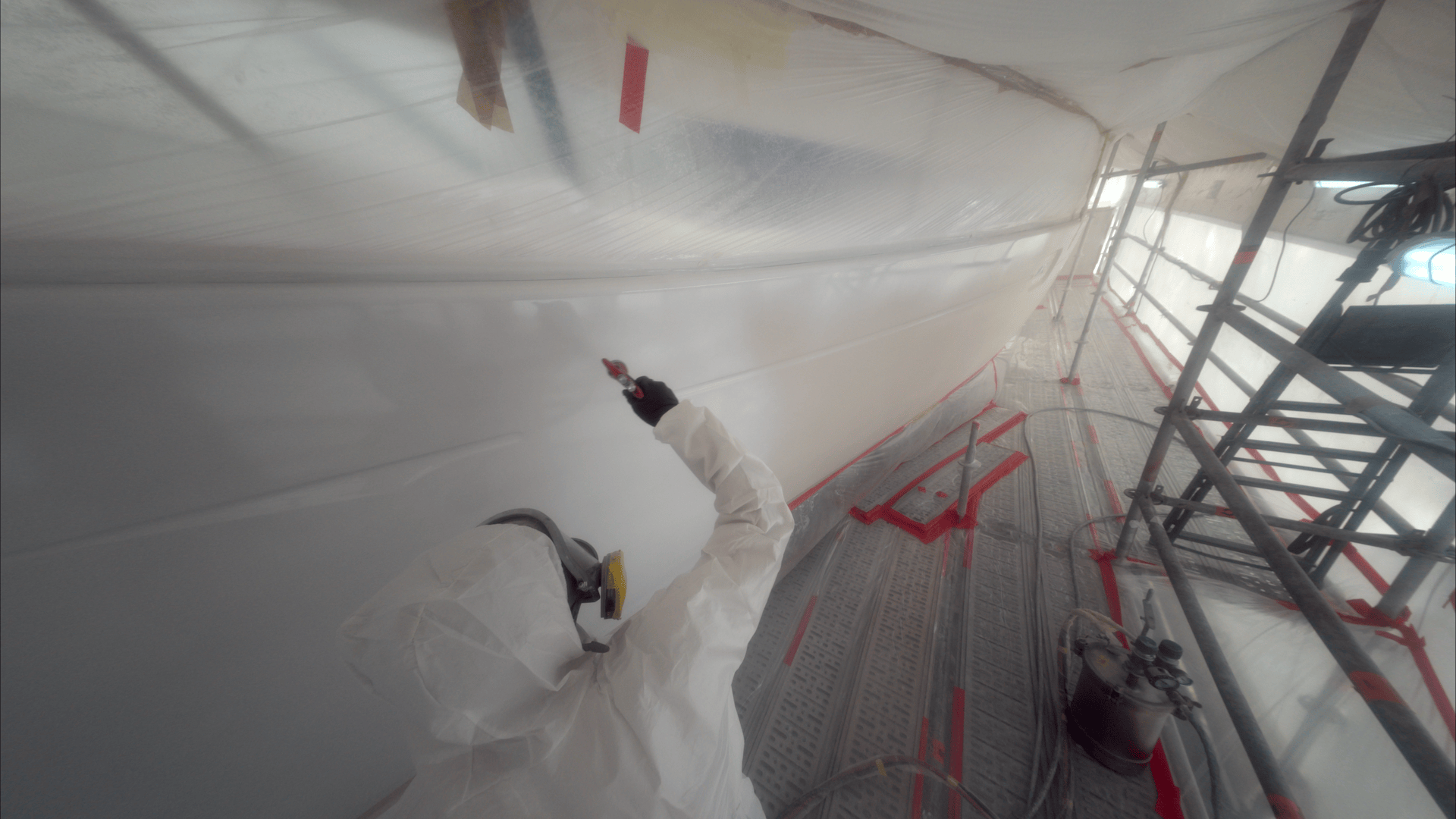
Modern composite yachts require coatings with greater flexibility, adhesion and crack resistance to accommodate substrate movement without compromising aesthetics. At the same time, owners expect flawless finishes that retain their gloss and color while reducing maintenance requirements. This has accelerated the shift towards complete coating systems in which fillers, primers and topcoats are engineered to work together rather than as standalone products.
The primary barrier against threats
Although composites offer exceptional strength and weight advantages, they remain exposed to environmental stresses throughout their service life. UV radiation can gradually degrade resin systems, moisture ingress may affect structural performance, while repeated thermal and mechanical loading can lead to microcracking over time.
A properly engineered coating system acts as the primary barrier against these threats, preventing degradation before it reaches the laminate and helping preserve both structural integrity and surface appearance.
“The biggest threats to composite structures are prolonged UV exposure, moisture ingress and the stresses created by daily use in a harsh marine environment,” explains De Backer. “Protecting them requires more than a single coating product – it requires a complete system approach.”
This evolution has also strengthened collaboration between coating manufacturers, naval architects and yacht builders. Early involvement allows coating specialists to advise on substrate compatibility, repairability and lifecycle planning, ultimately improving durability while reducing long-term maintenance costs.
Sustainability & Lifecycle
As sustainability becomes a priority across the marine industry, coatings are increasingly evaluated through their contribution to the entire lifecycle of the yacht rather than simply their initial performance.
Selecting the right coating system can extend maintenance intervals, reduce repainting frequency and preserve the condition of composite structures for longer. Below the waterline, advances in antifouling technology continue to improve hull efficiency while reducing fouling-related damage. Self-polishing copolymer (SPC) coatings provide long-term protection for continuously operated yachts, while hard antifouling systems remain the preferred choice for high-speed or frequently trailered vessels.
“The right coating system has a significant impact on the lifecycle of a yacht – not only in terms of cost, but also application efficiency, durability and long-term performance,” says Hans Slegtenhorst, Senior Product Manager, Global Yacht Sustainability at AkzoNobel.
Longer-lasting coating systems also support broader sustainability goals by reducing material consumption, maintenance operations and downtime. At the same time, stricter environmental regulations continue to drive innovation towards lower-emission formulations and more efficient application processes.


Looking ahead
Coating technology is expected to become even more integrated with composite engineering. Faster-curing systems, lighter coatings, improved UV resistance and formulations specifically developed for composite substrates are likely to become standard, while digital inspection and predictive maintenance tools will increasingly support lifecycle management.
For designers and builders, coating selection is no longer simply about appearance. Compatibility with composite materials, operating environment, repairability and lifecycle performance must all be considered as part of the vessel’s engineering strategy.
As De Backer concludes, “Coating selection directly impacts a yacht’s performance, lifecycle cost, reliability and sustainability. It should now be viewed as a fundamental part of the vessel’s engineering architecture.”
For an industry focused on lighter, more efficient and longer-lasting yachts, coatings have become much more than a protective finish. They are an essential engineering solution that helps determine how composite vessels perform throughout their entire service life.
We asked Fatuma Munir, Regional Marketing Manager Europe & APAC, AkzoNobel, how valuable Metstrade is to the company.
How important are events such as Metstrade in bringing together coating specialists, composite engineers, yacht builders and designers?
AkzoNobel considers Metstrade one of the key events on our calendar, as it brings together the entire yacht-building ecosystem, coating specialists, composite engineers, designers, shipyards and suppliers in one place.
Innovation happens through collaboration, so as composite materials, coating technologies and yacht designs continue to evolve, close dialogue between stakeholders is essential to ensure systems are developed to meet real-world challenges.
The show also provides an opportunity to share technical knowledge and best practices, helping the industry improve performance, application processes and long-term durability.
Face-to-face discussions help accelerate problem-solving, particularly when addressing complex topics such as composite substrate preparation, surface quality, sustainability and lifecycle performance.
Metstrade also offers valuable insight into emerging trends, helping companies better understand the evolving needs of yacht builders, designers and owners. Looking beyond the industry’s immediate priorities, the show plays an important role in shaping its future through initiatives such as the Young Professionals Club and dedicated diversity and inclusion programmes, which bring new talent and broader perspectives into yachting.
Are you seeing more cross-disciplinary collaboration in the industry, and where does that happen most effectively?
Yacht construction is becoming increasingly collaborative, with coating specialists, composite engineers, designers and shipyards working more closely together than ever.
Significantly, the collaboration is happening early, with coating requirements are considered much earlier in the design and engineering phase, rather than solely during finishing.
Early collaboration helps ensure coating systems are compatible with composite substrates and support long-term performance, plus bringing multiple disciplines together at the start of a project leads to better outcomes in durability, aesthetics and lifecycle value.
Metstrade provides one of the most effective environments for this collaboration by connecting suppliers, engineers, designers and builders in a single forum.
Face-to-face discussions help accelerate knowledge sharing, problem-solving and innovation across the marine sector.
Which innovations in coatings and composite engineering do you expect to be key discussion points at Metstrade 2026?
As mentioned above, the shift is towards complete, engineered coating systems, combining fillers, primers and topcoats to optimise performance on composite substrates.
More than just the final finishing step, coating systems must now extend maintenance and refit intervals, protect the long-term value of the boat, while also meeting expectations for aesthetic excellence.
Coatings also have to adapt to increasingly stringent regulatory frameworks that restrict the raw materials that can be used in coating technology, alongside significant controls over the application process itself.
As a result, biocide-free and other sustainable fouling control solutions which have less impact on the environment continue to be key discussion points.
Answering the needs of refit yards and the rise in complex projects, coatings solutions that last longer, require less maintenance and materials, whilst supporting more efficient application processes, will be a priority in the future.
It is important for coating specialists to highlight real-life projects, so we will be bridging the gap between technical expertise and real-world experience at Metstrade with the support of our Brand Ambassador Captain Glenn Shephard, who will be available to talk and answer questions about his own full coatings refit.
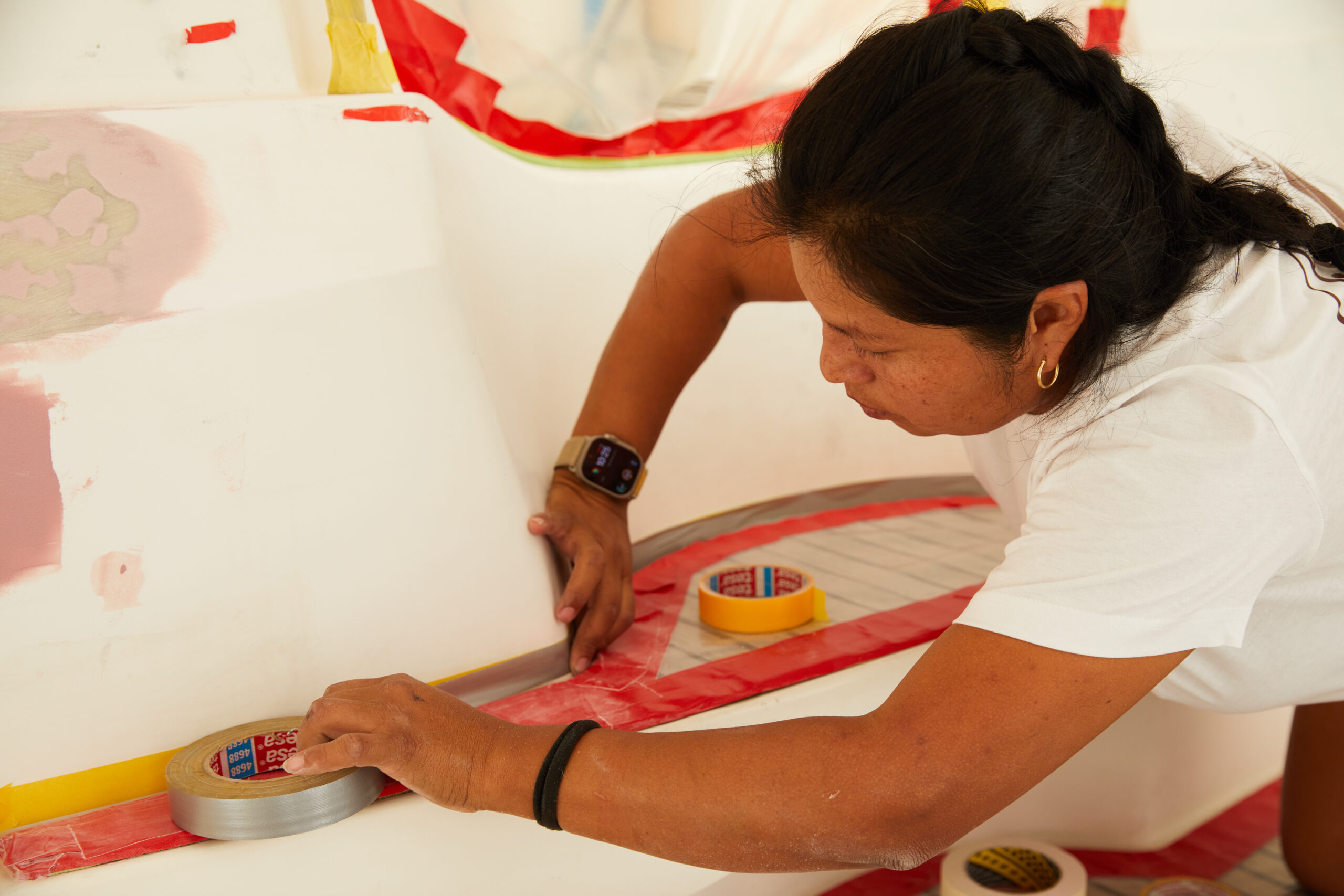
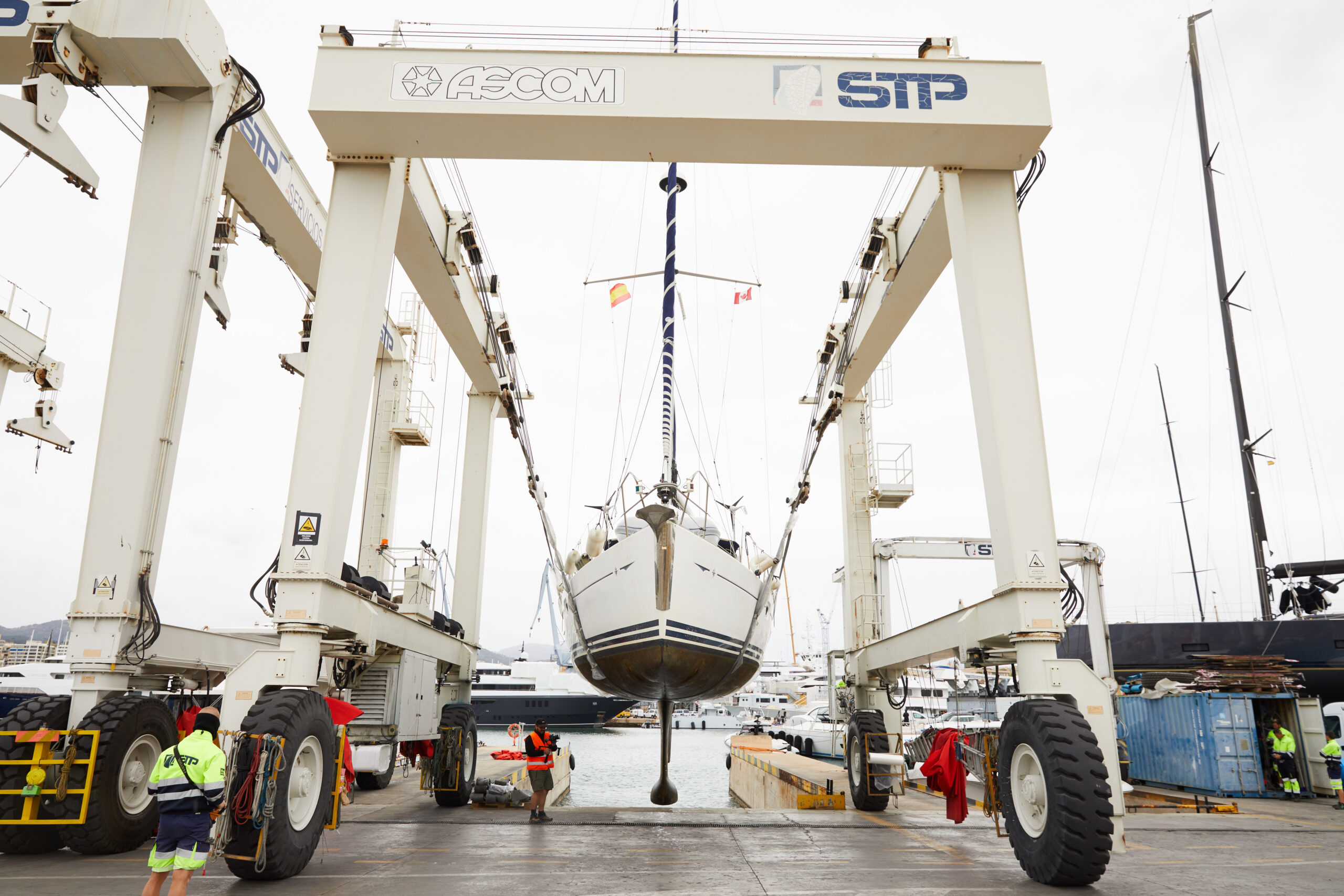
Well known for his role on Below Deck, Captain Glenn recently documented a full coatings refit of his own Jeanneau Sun Odyssey 42 DS, Avalon. Working together, AkzoNobel implemented a full coatings performance system, combining surface preparation, fairing compounds, primers and topcoats designed to work as one.