Thanks to the new robotic technology, British scientists are developing a new generation of boats that can be deployed in vital tasks such as high speed observations and remote surveillance while keeping crew safe. The project can be outfitted in Rigid Inflatable Boats (RIBs) designed to allow the vessels to operate on their own, with an autonomy of 12 hours on either a pre-planned route or via remote control.
The boat drone, an ocean-going craft able to reach speeds of up to 38 knots, is built by BAE Systems, the creator of the Taranis Drone, a machine that is considered U.K.’s most advanced. The unmanned system and software algorithms for the RIBs are developed in collaboration with unmanned and autonomous specialist ASV.
An RIB looks like an ordinary speed boat but, despite its conventional appearance, the boat carries cutting edge technology that allows it to sail autonomously or even to be remotely controlled by a pilot. The technology, which is designed to be fitted to Rigid Inflatable Boats (RIBs) and will have a complex array of sensors – including a navigation radar, 360 degree panoramic infrared camera and laser range finder – will offer operators a detailed picture of its surroundings within a significant range of the vessel. Such technologies provide navigational and surveillance range that ensure that the vehicle is successful in its missions without direct human intervention.


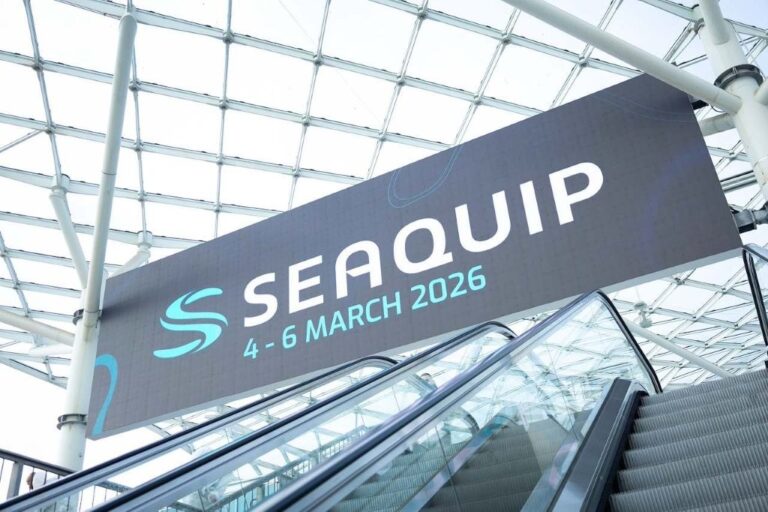
SEAQUIP 2027: new exhibitors strengthen Its international presence
SEAQUIP 2027 continues to expand its international profile with the participation of leading marine industry companies, including Volvo Penta, Coelmo, Sleipner and Dometic. The second edition of the marine equipment exhibition, scheduled for 2–4 March 2027 at Fiera Milano Rho, is attracting a growing network of exhibitors and yachting professionals, while preparations for its conference programme move forward.