Rolls-Royce Power Systems and ZF Friedrichshafen AG will be working closely together on marine propulsion systems, as stated by a collaboration agreement recently signed by Dr. Ulrich Dohle, CEO of Rolls-Royce Power Systems, and Wilhelm Rehm, Member of the Board of Management of ZF Friedrichshafen AG.
Many commercial vessels and leisure yachts have already been featuring precisely matched combinations of MTU engines from Rolls-Royce Power Systems and marine transmissions from ZF for a long time. To provide even more precise and optimised propulsion solutions, the two companies will now be exchanging more and more information and knowledge relating to the development of new technologies and products.
“Through the even closer collaboration with our long-standing partner ZF, we will further expand our systems expertise and, with our MTU engines, will thus be able to provide our customers with optimally matched and innovative propulsion solutions,” said Dr. Ulrich Dohle, CEO of Rolls-Royce Power Systems AG.
“We, too. see excellent opportunities resulting from the expansion of our two product portfolios,” said Wilhelm Rehm, the Member of the Board of Management of ZF Friedrichshafen AG responsible for the Industrial Technology Division. “Together with MTU, we will develop pioneering technologies and supply the market with system solutions.”
Both Rolls Royce and ZF expect to add jointly developed integrated systems to their product range, and to collaborate closely in R&D and applications development. The agreement is aimed not only to provide optimally matched systems, but also to create new joint solutions for future marine propulsion systems, such as hybrid propulsion systems or digitally networked solutions.


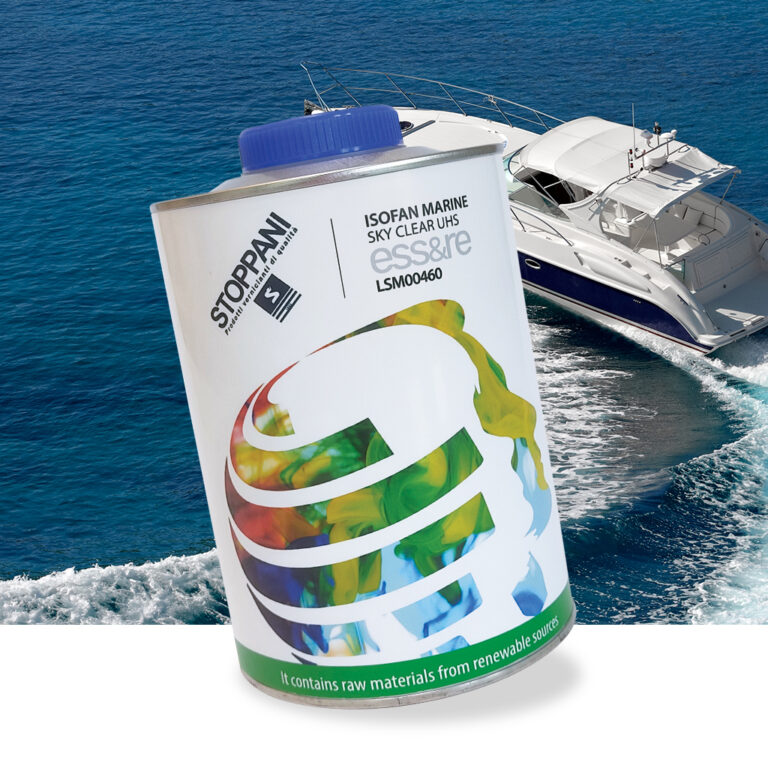
The sustainable revolution in marine clear coats
Isofan Marine SKY Clear UHS Ess&re represents a turning point in marine polyurethane clear coat technology, providing a concrete response to the growing need to combine environmental sustainability with high-level technical performance.