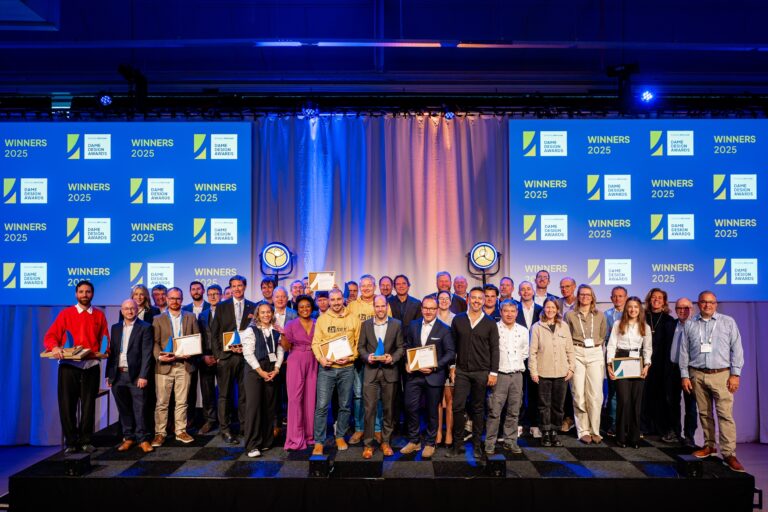
The research programme REFIBER, developed by Area Science Park and Innovando srl landed in Paris, as part of efforts to establish a national recycling chain for fibreglass boat hulls.
The meeting took place at the recent Paris Boat Show, one of the most important events in the sector, seeing some 150,000 visitors and 650 exhibitors in attendance.
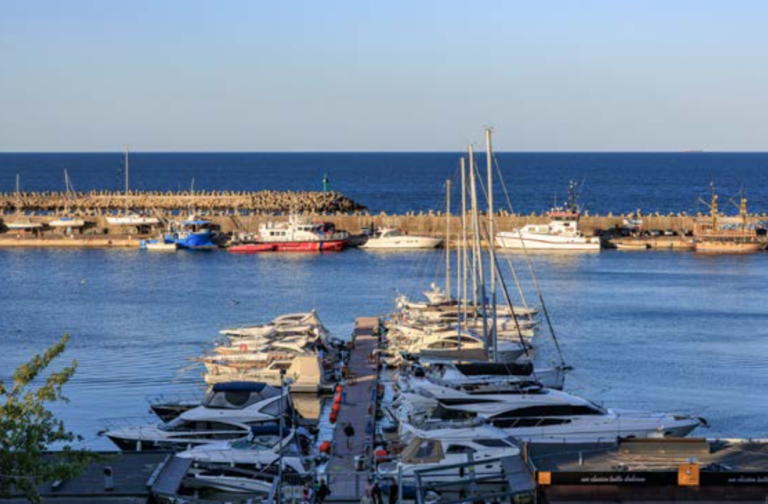
Managing boats at the end of their life
How to decommission and manage the disposal of end-of-life pleasure crafts is a major environmental, and socio-economic, issue. To date, there is still no structured collection model in Italy to correctly manage 10-24 m boats at the end of their life.
So much so that, over the last ten years, only a very small percentage of the approximately 10,000 vessels removed from the official registers have been properly managed.
The aim of REFIBER is to create a hub to concentrate and exploit the flows of materials left after a boat has been decommissioned. One of these materials is fibreglass, a multi-layered material made up of plastic and glass, which accounts for the largest proportion at 60% by weight and is the most difficult to process.

Working together for the same goal
One management model being analysed as part of the programme is the Extended Producer Responsibility (EPR) model, already well established in other fields. This model involves both the manufacturers and distributors from within the sector.ù
“We want to contribute, in a coordinated way, to a harmonised development of European sector standards. By working together, it will be easier to establish and share communication and awareness-raising activities with national and international stakeholders.” said Ivana Lazarevic, deputy director general of APER.
At this stage, the focus of the REFIBER programme is pleasure boats, but the system may be opened up to include vessels under 10 metres in the future. Francesco Di Pierro and Cveta Majtanovic of Innovando both hope that, “better mutual communication can speed up implementation of the REFIBER programme, building on APER’s many years of experience with private operators and public institutions, and sharing more good operating practices”.
“In the medium term,” concluded Matilde Cecchi of Area Science Park, “we will be able to assess the optimum conditions for promoting and implementing collaborative initiatives and research projects aimed at experimenting with new technologies, to make the nautical sector more sustainable”.