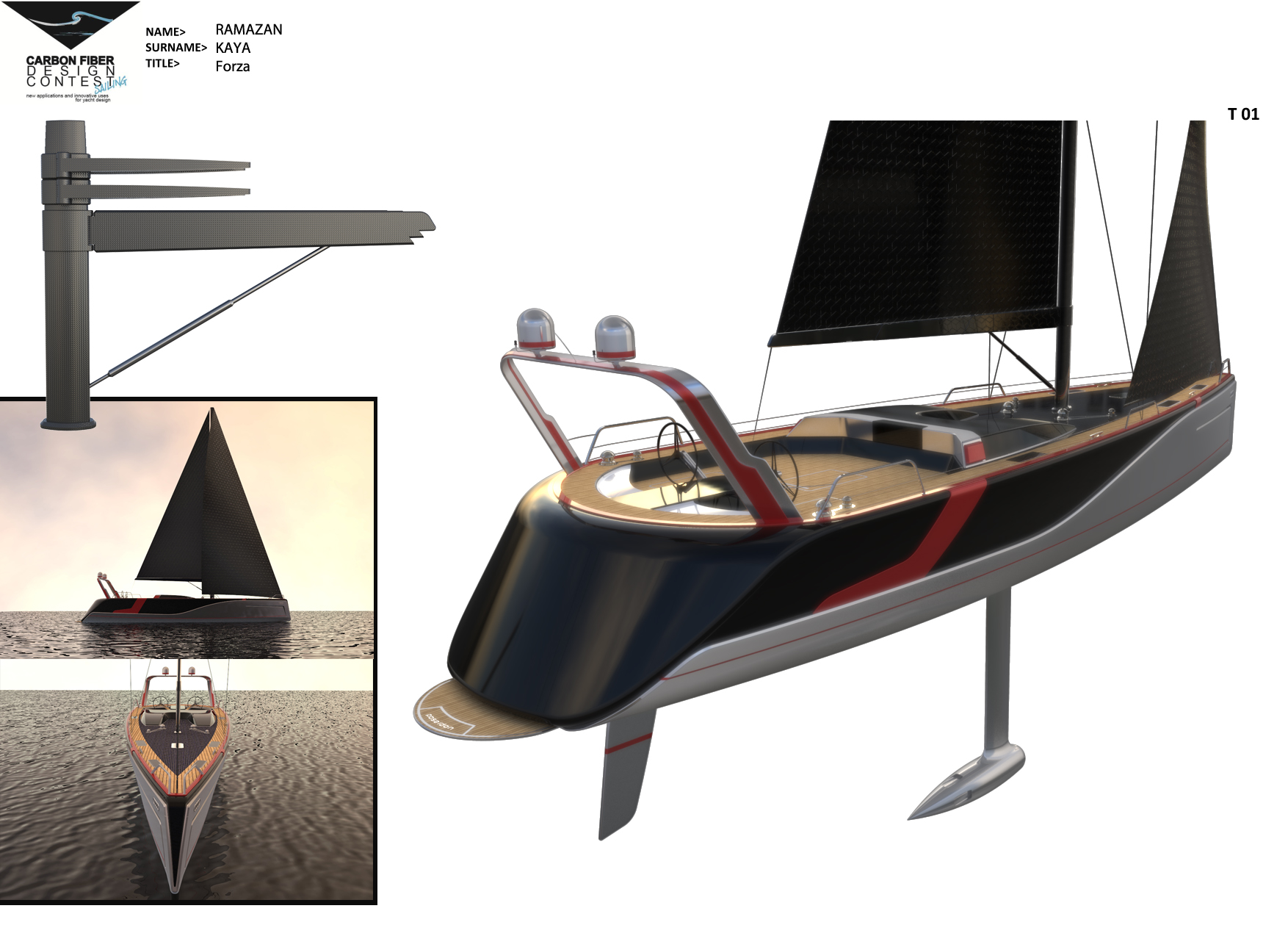
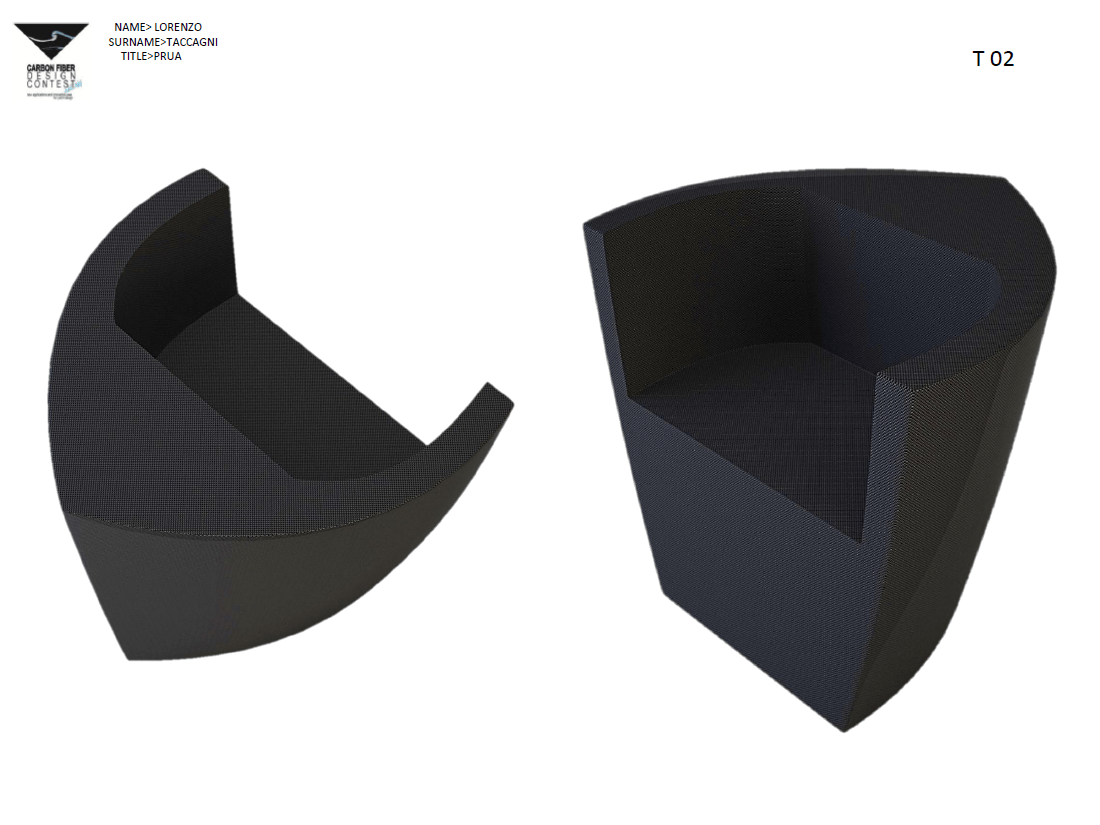
Naples is preparing to become an international hub for innovation in composite materials design with the new edition of the carbon fiber design contest, an international competition dedicated to cutting-edge applications in composite materials design.
Registration for the Carbon Fiber Design Contest 2027 is free and projects must be submitted by email as outlined in point 5 of the announcement you can download here. The submitted projects will be judged by a technical jury, who will select the three winning projects, reinforcing its relevance within design innovation competitions.
Details
Launched over 15 years ago, now in its 6th edition, the contest represents an interesting and exciting initiative of dialogue between design, industry and research in the domain of advanced materials.
The Contest is dedicated to designers, architects, engineers and planners, invited to imagine new applications of carbon fiber in contemporary design. Carbon fiber is a material known for its extraordinary characteristics: lightness, mechanical strength and great formal freedom, which make it a key player in the most advanced engineering sectors and in advanced materials engineering.

The initiative is organized by OLYMPUS and TEPCO: companies committed to the development and dissemination of technologies based on composite materials, currently used in numerous highly innovative industrial sectors.
A historic connection with the America’s Cup
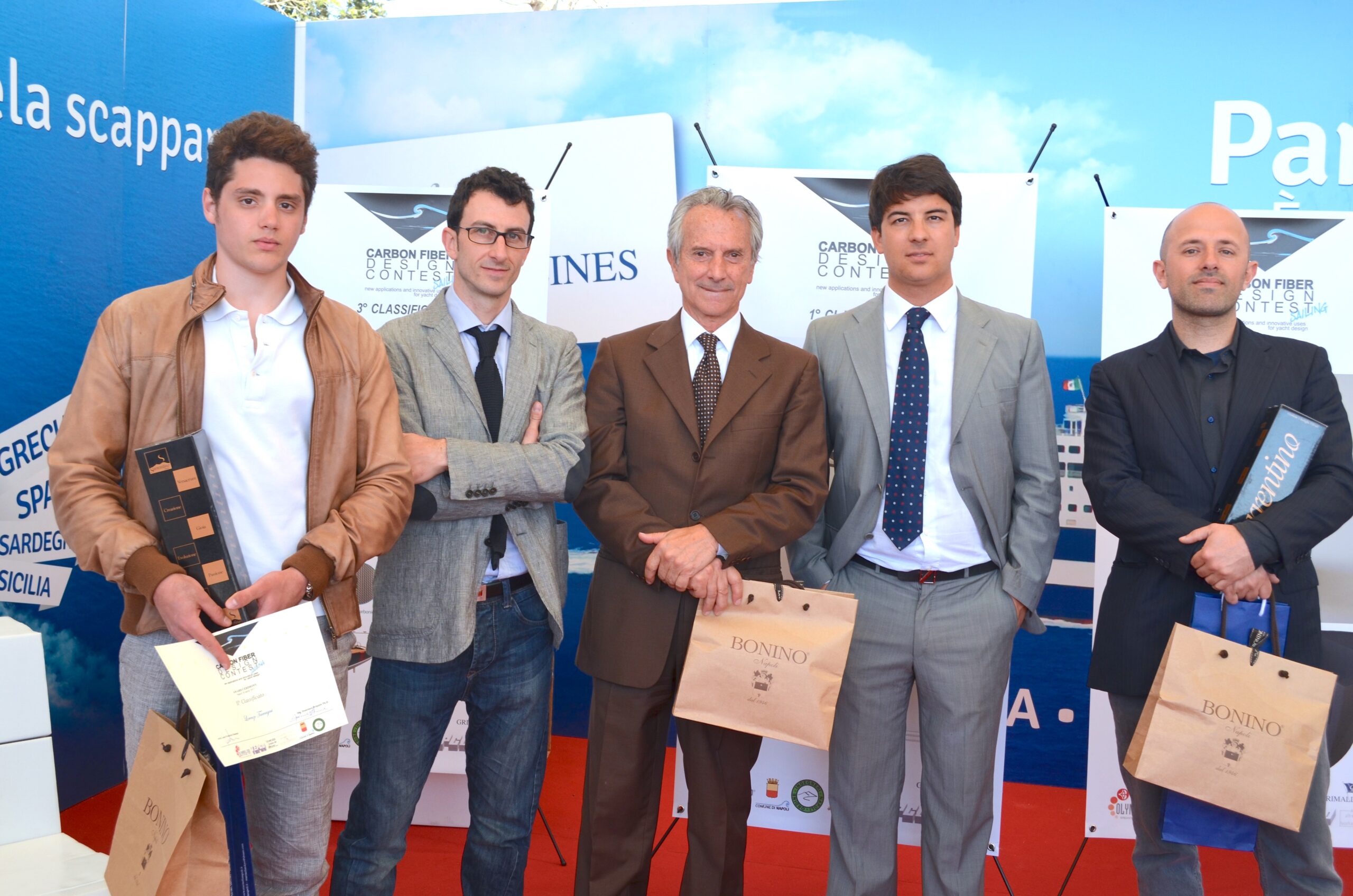
The Carbon Fiber Design Contest has already intertwined with the history of international sailing. The 2013 Edition was organized and awarded in Naples during the America’s Cup World Series Naples 2013, which brought some of the world’s most technologically advanced boats to the gulf.
Today, that connection is further strengthened. The Contest new edition is part of the journey leading to the 2027 America’s Cup, an event destined to transform Naples into one of the world’s leading hubs for technological sailing and marine design innovation.
It’s no coincidence: the boats competing in the America’s Cup are among the most advanced technological laboratories in the world, using structures almost entirely made of carbon fiber and composite materials, essential to achieving extreme performances thanks to the combination of lightness, stiffness and structural strength.
The Award Ceremony for the winning projects is planned precisely as part of the America’s Cup-related initiatives, creating a bridge between design, research into advanced materials and next-generation sailing technologies, further strengthening its role among design innovation competitions.
The contest enjoys the patronage of important local academic and professional institutions:
- University of Naples Federico II
- Industrial Union of Naples
- Metropolitan City of Naples
- DRaF Dynamic Response and Failure of Composite Materials
- Amme Asmeccanica
- Order of Architects, PPC and Engineers of the Province of Naples
- Order of Engineers of the Province of Naples
- ANCE Naples
- AITEM Italian Association of Manufacturing Technologies
The involvement of universities, business and professional associations, strengthens the contest’s goal of becoming a meeting place for industry, research and design, contributing to the dissemination of composite materials knowledge.
Design and materials of the future
With the 2027 edition, the Carbon Fiber Design Contest confirms its vocation as an international laboratory of ideas, capable of bringing creativity and engineering into dialogue.
At a time when advanced materials are profoundly transforming the way we design products, structures and objects, initiatives like this demonstrate how collaboration between industry, universities and creatives can open new perspectives for the future of design and technology.