Ship System is a Genoa-based company with over twenty years of experience in the naval sector and today presents itself as a technical partner capable of handling both new builds and refits with equal ease. Its profile is not that of a simple component supplier, but of a company that designs, integrates, commissions and services high-tech on-board systems, with a presence ranging from the yacht and superyacht sector to commercial ships. The company’s operational focus is clearly stated: advanced marine automation systems, control, electrical distribution, gas monitoring and ongoing technical support solutions, also built through synergies with specialised partners. It is an interesting position because it clearly reflects a now evident transformation: on board, it is no longer the individual device that makes the difference, but the way in which the devices communicate with each other.
Automation: the invisible director
The main focus remains automation, i.e. the level of technical intelligence that governs the operation of the ship without needing to show off: “the nervous system”. The definition is effective because it accurately reflects the nature of these systems: not accessories, but vital infrastructure. In the case of Ship System, this means the design and supply of electrical and automation switchboards, control cabinets and Power Management System, with functions that include bilge monitoring, battery supervision, navigation light control and the integration of all key ship data. Behind the seemingly abstract formula lies the concrete substance of managing pumps, valves, levels, generators, shore connections, service continuity and energy priorities. In a modern ship, automation is not just one part of the system: it is the method of governance through advanced marine automation systems.
Control Systems: security, control and communication
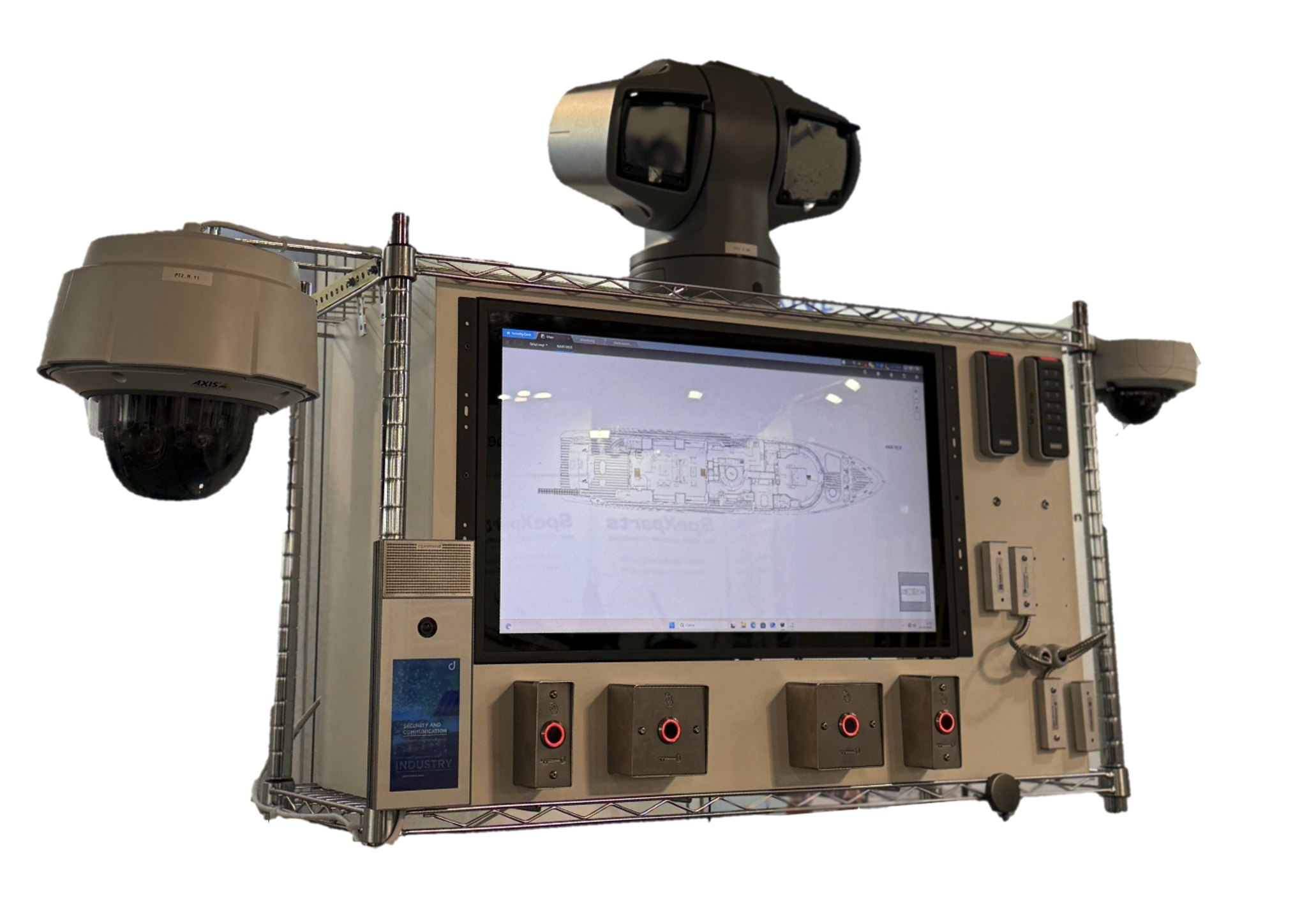
Alongside automation, Ship System clearly distinguishes a second branch: ship control systems. This field includes public address, CCTV video surveillance, intrusion detection and access control. It is a useful distinction because it avoids confusing machine and plant automation with systems that monitor operational safety, people flows, on-board communication and the protection of sensitive areas. Today, the goal is no longer to add separate devices, but to converge critical events, physical security, real-time monitoring and access control into a single coherent architecture. Ultimately, this is the most sensible approach from a design perspective: fewer ‘islands’ and more integration. And on cruise ships, ferries and large yachts, where announcements, alarms, display and management of technical or restricted areas must coexist without friction, this unified control is more important than many catalogue promises.
ShorPOWER: silence, efficiency and continuity
A particularly interesting chapter is that related to on-board energy and the products that Ship System combines with its engineering activities. In this context, Atlas Marine Systems, a historic brand in shore power systems marine, clearly stands out. The most representative product in this context is ShorPOWER, an equipment that allows the ship to connect to the quayside power line by adapting frequency and voltage to on-board standards, thus reducing or eliminating the use of generators when the unit is moored. The advantage is well known but worth mentioning: less noise, less vibration, lower consumption and lower emissions, with an immediate improvement in on-board comfort. Atlas offers the Ultra HF range in sizes from 20 to 125 kVA per unit and up to 1000 kVA per system. In this segment, the Genoa-based company is therefore not just a simple reseller, but a technical interface between product, integration and service of advanced shore power systems marine.
Electrifying control, monitoring fluids
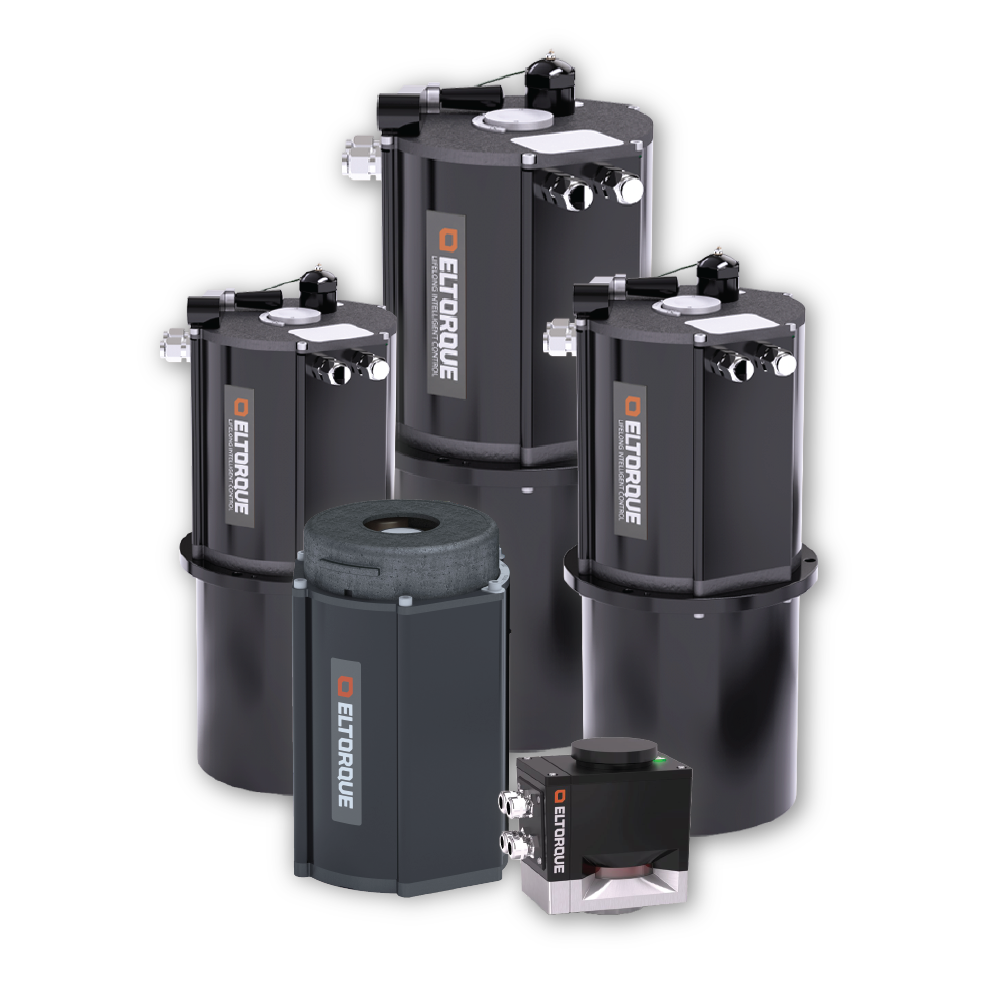
The second major system product is represented by Eltorque solutions, i.e. electric actuators and valve control systems designed to replace, where possible, pneumatic or hydraulic architectures that are more costly in terms of energy and maintenance. Here too, Ship System is moving in a direction that is particularly relevant today: simplifying, electrifying and monitoring better. The Norwegian company’s figures – over 150,000 actuators installed on more than 1,200 ships – give an idea of how widespread the technology is, while precision control, remote and local operation and full on-board integration remain central. This is an important point, because valve control is not just a matter of comfort or convenience, but directly affects vital circuits: ballast, fuel, bilge, auxiliary services and fluid management, all increasingly connected within modern ship control systems.
Gas Detection Systems
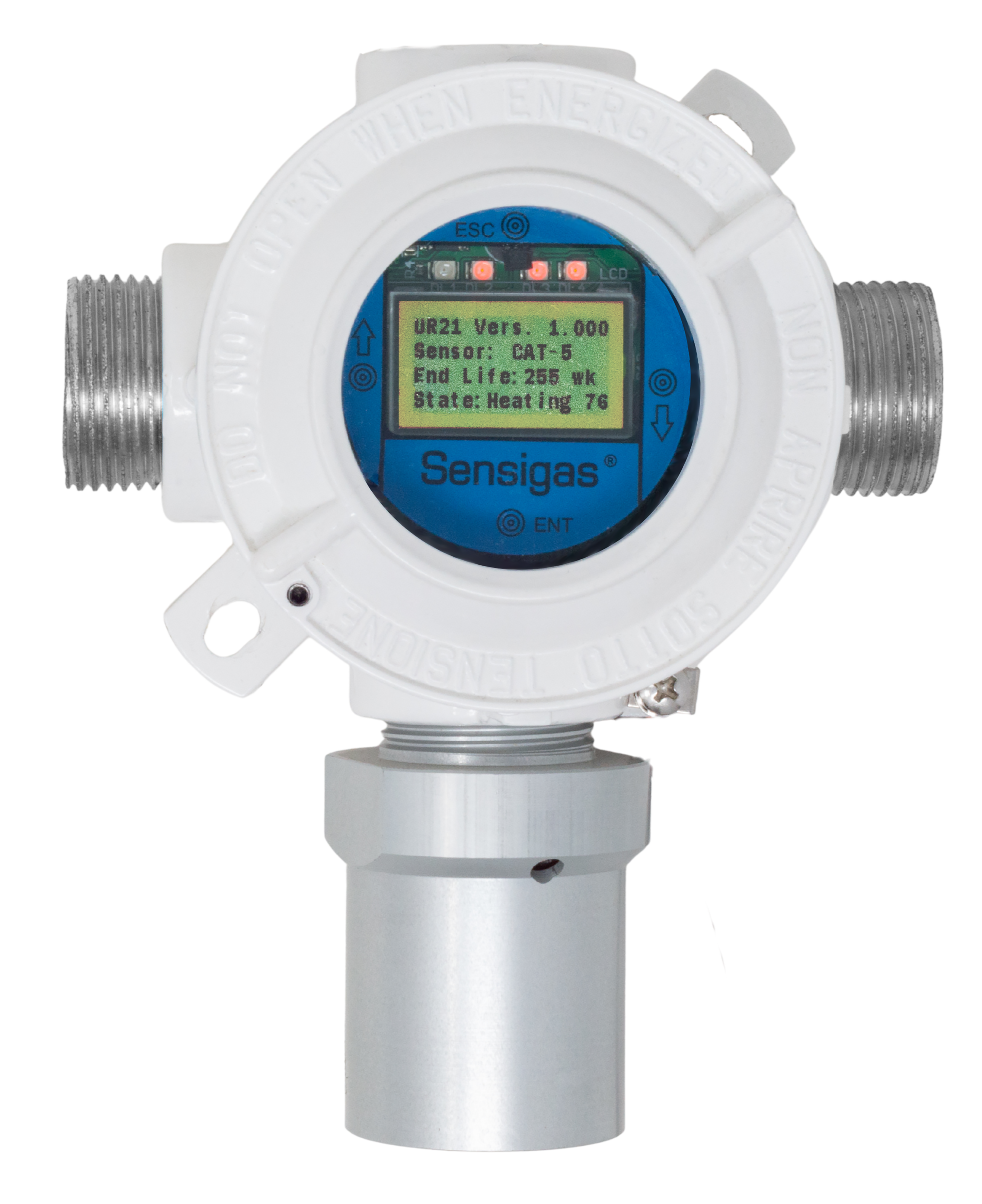
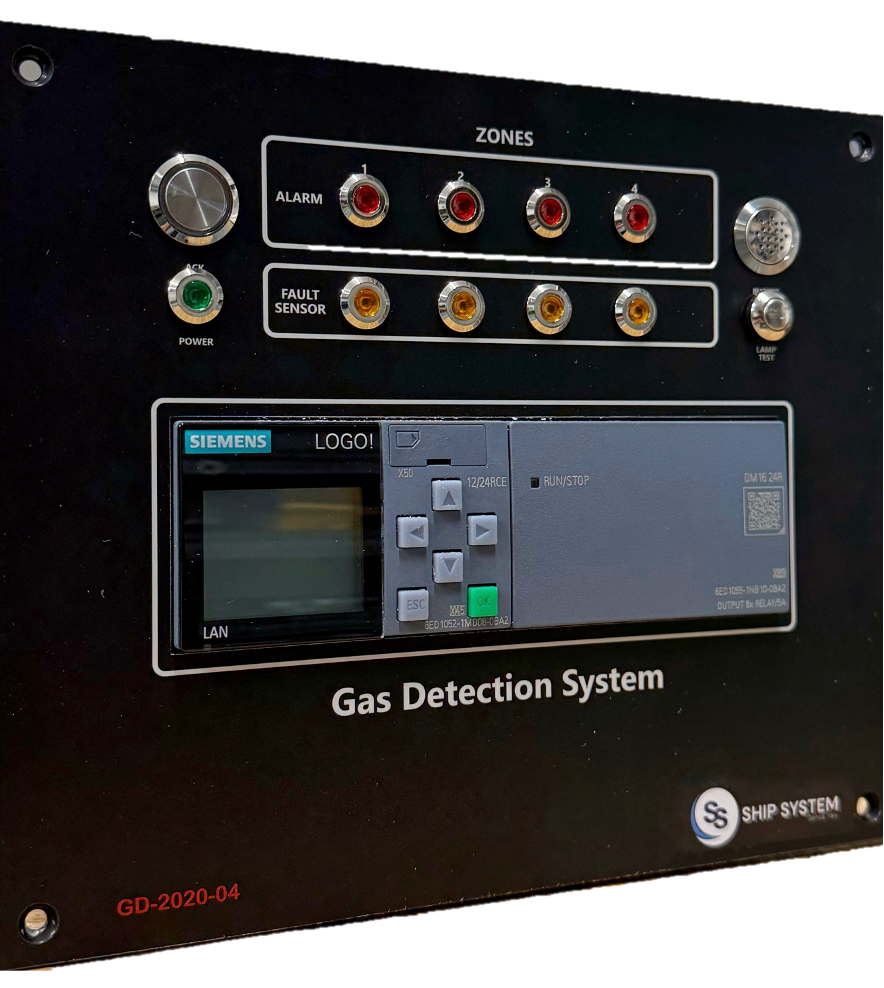
This family is complemented by another area in which Ship System maintains its own continuous expertise: marine gas detection systems. The company offers systems for marine and industrial environments in ATEX zones 1 and 2, based on EsiWelma UR.21.E sensors and its own certified control unit, the GD2020-04/SW. It is a significant combination: specialised sensors on the one hand, integration and control on the other. In garages for tenders and toys, in technical rooms, in spaces crossed by exhaust pipes or conduits, the ability to detect flammable vapours, carbon monoxide, oxygen and other gases in time is not just a matter of prudence. This is where the marine gas detection systems come into play: a network of sensors connected to a control unit that continuously monitors the atmosphere in battery rooms, detects the presence of off-gases or other abnormal gases and activates alarms and countermeasures before the event turns into a full-blown fire.
The technology that holds the ship together
Ultimately, Ship System’s distinctive feature lies not so much in its list of brands or products as in the way it brings them together into a coherent whole. Automation, control, shore power systems marine, electric actuation, marine gas detection systems and 24/7 global support are presented as parts of the same on-board grammar, in which energy, safety and operational continuity must communicate with each other without ambiguity. It is a very marine vision, in the best sense of the term: concrete, integrated and not prone to special effects. After all, well-designed systems have a curious quality: they are hardly noticeable when they work well, and that is precisely why they matter so much. Ship System seems to operate here, in that discreet but decisive area where technology does not take centre stage, but holds the ship together through advanced yacht automation solutions.